Introduction: Reframing the American Revolution Through Acadian Experience
The American Revolution is often narrated as a revolt of the Thirteen Colonies along the eastern seaboard. Yet recent scholarship insists that the Revolution was a hemispheric struggle, shaped by shifting alliances, imperial contests, global commerce, and the movements of peoples far beyond New England and Virginia. Among those peoples were the Acadians—descendants of seventeenth-century French settlers of maritime Canada—whose forced dispersal beginning in 1755 positioned them across North America and the Caribbean in ways that profoundly shaped the revolutionary era. Their experiences under British rule, their strategic resettlement in French and Spanish territories, their militia service, their cultural networks, and their role in trans-imperial diplomacy made Acadians vital—though often invisible—participants in the American quest for independence.
This essay argues that Acadians played a crucial role in shaping the American Revolution by weakening British imperial cohesion, strengthening Franco-Spanish military capacity, and enabling decisive campaigns in the Gulf South that directly facilitated American victory. Drawing upon the works of John Mack Faragher, Dudley LeBlanc, Michael Leech, Kathleen DuVal, John Garrigus, Warren Perrin, Carl Brasseaux, and the collective scholarship in Acadie Then and Now, this study situates Acadian contributions within a larger Atlantic framework and shows that the Revolution cannot be fully understood without accounting for their influence.
I. The Grand Dérangement as a Catalyst of Anti-British Consciousness
A. British Imperial Overreach and the Seeds of Revolutionary Rebellion
In A Great and Noble Scheme, Faragher offers the definitive scholarly account of the 1755 expulsion of the Acadians—known as Le Grand Dérangement. He reveals the deportation as an act of extreme imperial coercion, motivated by British desires to neutralize a francophone Catholic population considered politically unreliable. Faragher demonstrates that the Acadian expulsion was not merely a tragic episode of colonial history; it was a precursor to the very logic of imperial overreach that the American colonists would later resist. The forced removal of thousands of Acadians foreshadowed British heavy-handedness in the 1760s and 1770s and exposed the tensions inherent in managing diverse populations within a centralized empire.
This brutality cultivated among surviving Acadians a profound memory of injustice and a collective orientation against British authority—one that would shape their choices during the American Revolution. In this sense, the diaspora itself became a form of anti-imperial resistance.
B. The Formation of a Transnational Acadian Network
Carl Brasseaux’s Founding of New Acadia chronicles how many Acadians eventually resettled in Louisiana—then a sparsely populated outpost of the French and later the Spanish empire. This relocation was not random. Acadians possessed agricultural expertise, strong communal bonds, and a willingness to occupy frontier lands that imperial authorities considered valuable. By the early 1770s, Acadian villages were well established along the Mississippi River and the bayous of south Louisiana, forming a strategic demographic presence on the imperial borderlands.
Their new settlements placed Acadians at the very center of geopolitical tensions during the Revolution. Their population became a resource that could—and did—shift the balance of power in the Gulf South.
C. Identity, Memory, and the Will to Resist
Dudley LeBlanc’s two works, The True Story of the Acadians and The Acadian Miracle, although more hagiographic than analytical, illuminate the emotional and cultural dimension through which Acadians interpreted their history. LeBlanc depicts the Acadian experience as a saga of resilience, faith, and cultural fidelity in the face of overwhelming oppression. This sense of collective survival fostered an identity predisposed toward anti-British sentiment and sympathetic to other struggles against imperial domination—setting the stage for the significant Acadian role in the Revolution.
II. Pre-Revolutionary Louisiana: Conflict, Power, and Opportunity
A. The Louisiana Frontier and the Roots of Acadian Political Agency
Michael Leech’s Roots of Conflict explores the political and social complexity of pre-Revolutionary Louisiana, revealing a region in which multiple groups—French Creoles, Acadians, Native nations, free people of color, Spanish officials—negotiated power and identity. Acadians proved especially adept at navigating this environment. Their prior experience with displacement enabled them to cultivate autonomy, self-governance, and militia skills valued by both French and Spanish authorities.
These patterns of frontier adaptability helped shape a population ready to contribute meaningfully to wartime efforts.
B. Strategic Settlement Under Spanish Rule
When Spain acquired Louisiana in 1763, it inherited thousands of Acadians. Their presence strengthened Spanish claims in the Gulf South at a crucial time. Spanish governors recognized the Acadians’ military potential and integrated them into local militias, granting them land and permitting relative cultural independence. As Leech and Brasseaux note, Acadians became “middle peoples”—cultural brokers who connected French traditions, Spanish administrative power, and Indigenous presence.
This position made Acadians key to Spanish wartime strategy when conflict with Britain erupted during the American Revolution.
III. Acadians in the American Revolution: A Strategic Population
A. The Gulf Coast as a Decisive Theater of War
Kathleen DuVal’s Independence Lost reframes the Revolution as a multinational conflict that extended far beyond the Thirteen Colonies. She highlights the significance of the Gulf South, where Spain—an American ally—engaged Britain directly. Acadians, living under Spanish rule, became instrumental to Spain’s military success in the region.
B. Acadian Participation in Gálvez’s Campaigns
When Spanish Governor Bernardo de Gálvez launched a lightning campaign against British West Florida in 1779, Acadians formed a significant component of his forces. Their roles included:
Militia infantry in the battles of Manchac, Baton Rouge, Mobile, and Pensacola
Guides and scouts with unparalleled knowledge of marshlands and bayous
Boatmen and logistical operators essential to transporting supplies
Local intelligence gatherers among frontier communities
Gálvez’s victories—made possible in part by Acadian manpower and expertise—eliminated British control on the Gulf Coast. This deprived Britain of crucial access to the Mississippi River, prevented coordination with Southeastern Loyalists, and undermined the broader southern strategy.
Without these victories, DuVal argues, American independence would have been far more difficult. Spain’s triumphs in the Gulf forced Britain to divert resources and weakened British influence across the South.
C. Acadians as Political Actors in Wartime Louisiana
Acadian village leaders played decisive roles in ensuring continued cooperation with Spanish authorities. Their willingness to serve in campaigns—motivated by loyalty to France, gratitude to Spain, and hostility to Britain—helped maintain stability in Louisiana, allowing Gálvez to operate without fear of internal rebellion.
These actions were not passive; they were deliberate choices rooted in communal memory of British oppression and in hopes of securing their own future autonomy.
IV. Acadians in the Wider Atlantic Revolution
A. The Acadian Diaspora Beyond Louisiana
The collected scholarship in Acadie Then and Now reveals that the Acadian diaspora extended across the Americas, from Québec to France to the Caribbean. In each region, Acadians influenced the Revolutionary struggle indirectly:
In France, Acadian refugees contributed to naval and maritime operations that challenged British control of the Atlantic.
In Nova Scotia and New Brunswick, Acadian settlements complicated British efforts to maintain total regional control.
In the Caribbean, Acadian exiles sometimes aligned with French or Spanish forces in actions that hindered British logistics.
This global diaspora created pressure points across the empire—undermining Britain’s capacity to suppress the rebellion fully.
B. Acadians, Free People of Color, and the Francophone Atlantic
John Garrigus’s I Alone highlights the role of free people of color within the broader French Atlantic, particularly the complex social fabric of communities shaped by French colonialism. Acadians lived alongside such communities in Louisiana and elsewhere, forming a trans-racial Francophone sphere often aligned against British interests. These alliances broadened the anti-British coalition from Massachusetts to Martinique and from the Acadian parishes of Louisiana to the streets of New Orleans.
V. Legacy, Memory, and the Post-Revolutionary Influence of the Acadians
A. The Aftermath: Cultural and Political Contributions to the Early United States
Warren Perrin’s Acadian Redemption traces the long legal and cultural journey toward recognition of Acadian suffering and resilience. He argues that Acadian memory became part of the broader American narrative of liberty and resistance to tyranny. Their integration into the American South contributed to the region’s distinct cultural identity, shaping its legal traditions, its cultural tapestry, and its sense of historical purpose.
B. The Acadian Narrative as an American Narrative
Works by LeBlanc and the contributors to Acadie Then and Now show how Acadian culture—rooted in survival and communal identity—helped shape Louisiana’s distinct blend of American, French, and Spanish influences. By maintaining their heritage, Acadians provided a crucial foundation for the multicultural identity of early America, especially in the Gulf South.
C. The Long Memory of the Revolution
Acadian participation in the Revolution was remembered in community traditions, parish histories, and military rolls. This memory became part of the collective identity of the Cajuns in Louisiana, contributing to their pride in the region’s foundational role in the nation’s fight for independence.
Conclusion: Re-centering Acadians in Revolutionary History
The American Revolution was not solely the achievement of colonial patriots from Boston, Philadelphia, and Williamsburg. It was a hemispheric struggle whose outcome hinged upon the actions of peoples across North America and the Caribbean. Among these were the Acadians—deported, dispersed, and resettled, yet unbroken in their cultural identity.
Acadians shaped the Revolution by:
Weakening British imperial cohesion through their earlier resistance and forced removal.
Strengthening Spanish Louisiana’s military capacity at precisely the moment the American cause needed allies.
Serving as essential fighters, guides, and logistical supporters in Gálvez’s Gulf Coast campaigns.
Influencing French and Spanish decisions to challenge British supremacy, thereby aiding the nascent United States.
Preserving a cultural continuity that enriched the post-Revolutionary American Republic.
Their role was not marginal but pivotal. Without the defeat of Britain in West Florida—made possible in part by Acadian participation—Britain might have maintained strategic dominance in the South. The American Revolution might have unfolded differently or even faltered.
I am putting this post together to post on Wednesday. January 23, 2025. There is snow in our yard and it is cold. I am missing my main work for money all week so far because my current work involves driving a great deal. I will not get paid days off because of weather closure because I am a self-employed contract worker. But I am still in pretty good spirits and grateful we are getting through this winter storm as well as we can.
I am feeling blessed to have the home and marriage and health that I have. But I also have begun to feel the pinch of exposure to the cold and the warmth as I go in and out. I have run out of firewood after several days of much enjoyed fires in our hearth. Like America as a whole this moment of my life is fraught with possibilities and laden with realities both wanted and unwanted.
This is a historic moment in American culture, life and politics. The new Trump administration has already been marked by the inaugural speech in which President Trump marked the transition. He began with some fairly normal remarks, that nonetheless probably offer some insights into the new era.
Thank you very much, everybody. Thank you very, very much. Vice President Vance, Speaker Johnson, Senator Thune, Chief Justice Roberts, justices of the United States Supreme Court, President Clinton, President Bush, President Obama, President Biden, Vice President Harris, and my fellow citizens.
There is a difference between the start of this speech and that of the speech at his 2017 inaugural:
Chief Justice Roberts, President Carter, President Clinton, President Bush, President Obama, fellow Americans, and people of the world: thank you.
Here the first words are to thank everyone and he also include salutations to party leadership in the US Congress. This Trump won the popular vote and has remade the Republican Party. We can expect a President Trump who will be aware of himself as a politician. That does not mean that he is not also the other things he has always been.
In 2017 Trump said,
We, the citizens of America, are now joined in a great national effort to rebuild our country and to restore its promise for all of our people.
Together, we will determine the course of America and the world for years to come.
The opening of the second inaugural address is a little different but not vastly different. In this speech Trump said:
The Golden Age of America begins right now. From this day forward, our country will flourish and be respected again all over the world. We will be the envy of every nation, and we will not allow ourselves to be taken advantage of any longer. During every single day of the Trump administration, I will, very simply put, put America first.
I sent President Trump a Christmas card care of the White House. I also served as an Election Commissioner at a precinct when he was elected in the general election. Today, I am interested to see how AMerica will chart its future course. However, I am a little old, tired, run-down and frayed to play much of a role in a new and burgeoning American experiment. However, I have invested a great deal of myself in the pursuit of a better future for America. Therefore, I will watch with interest to see what eventuates.
The pardon of the January 6 demonstrators, the deployment of troops to the border, the declaration of a National Energy Emergency, the plan to raise revenue with tariffs and the declarations about policy toward Greenland, the Panama Canal and the Gulf south of the Gulf Coast of the United States — these all proclaim a real change in America. For me it is hard to explain how much less I am emotionally involved in these changes. If I cannot find a way to retire soon my life will be painful and short. I just want to get what I think I deserve from a few different systems and adapt to a simple life with just enough to get by. I hope the Trump administration will be a period where that will happen.
I am living now and I am also trying to understand how to relate to the life I have lived up to this time. The future for me is about making the best from the end of my last vigorous strength to whatever follows death for me.
Not many posts ago I was writing a kind of memoir. I have written more than one. I am not sure why but I could speculate about what I am trying to say and why I feel compelled to say it in a number of unpublished autobiographical narratives. I am someone who has felt compelled to assert my faith in myself and willingness to try many things which had little chance of success. Those were things that seemed important and still seem important to me. It is just that now I am past the point in my life where I can hope to do something meaningful with the risks and work that I was involved with all through my life. Today, early in President Trump’s second term, I am aware that the world could change. I however am just seeking to pass the time in some peace and comfort than I am in most of those changes.
I am sixty years old. It is evident to me that many people in their sixties are aging but also harvesting the fruits of their decades of planning, labor, innovation and gamesmanship. For many the years between the birthday when they turn 60 and the birthday when they turn 70 is a time of prosperity and power. For me this part of my life is not without its joys and comforts. However, I know that for many people the period I live in can be a very challenging part of the life cycle. In my case a great deal is up in the air. I will see in the next year, whether I am completely going down in flames or whether I will see a period of some security with very limited possibilities for the reaping of some of the rewards that I have earned from a lifetime of toil, risk-taking and planning. The consequences of all this for me are clearly significant but what the consequences of my future will be for my family, community, personal legacy and the world is another thing altogether. l
One thing that is going on in my life right now is that I may be publishing a short story named Ports of Call that has some significance for me. The publisher and I are currently running into some technical issues with producing the final print manuscript or galley. I no longer have the energy or optimism to be confident there will be a publication. However, I am not giving up on the publication because we also have been able to overcome the glitches so far. But I have to hope that what is important to me will find its way into the real world of publication. The piece matters to me because it is my written work about things that matter. It is also a tiny sliver of the vast literary canon of work I have produced which has never been published and which is part of my lifelong struggle to bring certain things to the realm of possibility and the discussion of the people who can make the future happen — I am not among the echelons of those who can really see much of what they planned happen. On that nexus, on that scale I am pretty far down. The things that I have struggled most far require vastly more resources that are involved in operating a small store. Operating a small store requires a vast amount more resources and where-with-all than I have at my disposal.
For me, the chasm between my personal status and the place I would need to be to break even in the bigger picture has always been more like the Grand Canyon than a moat. For me there is not much chance that I will ever feel that I am both secure and doing what I ought to be doing… at least in terms of my work. I am at the last stages of a journey that has included studies of many kinds and many kinds of work. There are however stages of building to something that one hopes to achieve, and I have not built much if anything. The Sacred scriptures state in Psalm127 verse one: “If the Lord does not build the House, then in vain do the builders labor.” While many do not believe in the Lord, most people know that in fact some people do not build much that endures and others find almost all that they build endures. For me there is just the end of a personal journey. I am grateful to have married a very good woman that I really love. Her support has written some new text into my life’s story. However, I am not in very good shape these days and without a few big wins in the struggles that I currently am engaged with, (and which could turn out badly) it is hard to say what chance I have of being able to hold up a reasonable part of this marriage’s responsibility.
The loss of almost all the hopes and dreams of a lifetime has been most of the theme and structure of my life’s narrative. I hope that I can find a tiny fraction of the potential for happiness and a good life that Clara and I had just a few years ago for the remainder of my life. What I don’t think is possible is that I will find a period mature fulfillment of a life’s dreams. I am perhaps lucky to be alive.
This 21st day of January 2025 is an unusual day. My wife Clara and I have both known real winters. She lived and worked in a retreat house complex and a rent house near it deep in the Catskills. She lived their real winters for years I have spent winter or large parts of winters in the snows of northern China, New Mexico’s mountains, Ohio, New York City, Canada and Europe. We have lots experience of snow. But we are having our first shared snow in the years since we have been back together after separating in middle school. However, we are having the snow in our hometown of Abbeville, Louisiana. Abbeville, Louisiana is a place that more or less never has sustained snowfall producing an enduring blanket of snow. Snow here is minimal and fleeting. But today there is something else happening. .
It is snowing today and has been snowing. This is the Tuesday after the Inauguration of Donald J. Trump as the 47th President of the United States. He is the only other President to serve nonconsecutive terms since Grover Cleveland served as the 22d President of the United States of America from 1885 to 1889 and as the 24th President of the United States1893 to 1897. It was during his second administration that Lafayette, the larger city just to our North got 14 inches of snow. The greatest snowfall this region has ever recorded. It is one of those coincidences that may not mean much. But it seems extraordinarily eventful and resounds with meaning as we experience this moment. This President Trump has been targeted for assassination and wounded. This President Trump has been convicted of dozens of felonies. This President Trump did not have an inaugural parade. This President Trump had his swearing in Ceremony in the U.S. Capitol Rotunda.
The future he spoke about is tied to plans that he has begun to put forward in a a series of executive orders, many of which were issued within hours of his becoming President again. This Monday was also the College Football Playoffs Championship Game. We had a struggle between two teams from the cold northern part of the country played in Georgia. This was as a President who is a New Yorker living in Georgia became President and a man who is from Ohio and represents the most famous current literary expression of Hillbilly life became Vice President. This was a time of cold and wintry associations. But perhaps it will be a dawning of a new age for America after all. The leaders of the Republicans in the House of Representatives are both from my Southern state of Louisiana. Mike Johnson and Steve Scalise were on stage with Trump and Vance at several times during the ceremonial process. So it is not as though my own region was excluded from a momentous transforming event in American history.
This week also saw the death of Director David Lynch on January 15. One of my closest lifelong friends who now lives with his wife in Argentina has been a very serious fan of David Lynch for many years. He and I watched the reboot of Twin Peaks together in the living room of my grandparents old home when he was in Abbeville caring for his dying father. In recognition of this event Clara and I watched one of his films on our streaming service during the cold spell. My lovely wife also made a great gumbo and a very good taco soup and we have enjoyed some very good fires in our fire place. But the extraordinary event has been the snow. Somehow, snow in Abbeville is the extraordinary frame for what ever else is happening at this time. It is in the snow in this Southern coastal plain that is stitched together by marshes, swamps, prairies, farms and the ports and oil rigs and oil refineries dotted with small cities and large towns. It is a not a land of snow. But it is snowing now.
If it can really snow here, then maybe other extraordinary things can happen. I am still waiting to see how my SSDI journey will turn out. I am still involved in a lawsuit which alone would wear on me heavily if nothing else was on my mind. I feel an every increasing set of burdens from my health conditions. But I do worry about and hope for the country to progress. I do hope that maybe somehow there will be an oil company that will lease the little bit of land I have — which I am pretty sure has oil under it. I am more than willing to benefit from a boom in oil and gas exploration, if one ensues. I am not expecting much, but I still hope to be able to cobble together something that will allow me to live with dignity and in the life my wife and I a are building still. If that happens it will happen in the second Trump administration.
I have a whole life to look back on and be aware that mostly the story is told, the game is played and the adventure will not have more chapters. But my life might have a long closing chapter with some nice passages. The adventure is mostly over but the former adventurer has a few good years left of this life if I am lucky.
Monday was also Martin Luther King (Junior) Day. Clara and my mother and I attended an MLK gala in Abbeville, Louisiana. It was held on the Saturday nine days before the actual celebration on January 20th and was organized by REACH. We had a good time but it also brought up memories of all the complexities of my life as I saw some people I have worked with many time over the years and watched the flow of remembered scenes related to all the things that MLK and his legacy have been involved in during my life time. It is an era that will offer chances to see new depths of suffering or a time of relative ease as I bow off the stages I have trod.
For me there is no certainty about what is next but the continuity throughout my life is one of dealing with change and not controlling it.
My memoir has progressed to the recounting and interpretation of the events of my life in 1978. That is even more specifically the time in 1978 when we were leaving La Cuchilla as our tourist visa expired. We were headed back home without a car. But it was a busy time and in recounting the recent years I left out two viewing experiences in 1977 that had a profound impact on me. One was the Jesus of Nazareth television series directed by Zeferelli. The other was watching Star Wars; The New Hope as it was widely released. Our whole family went to see it at a cinema in Charlottesville, VIrginia when we were staying with Jim and Kathy on one of the visits we had with them. Both of these viewing experiences would stay very much part of me. I was still influenced by both experiences in 1988 when living as a married man, sometimes with my first wife and sometimes alone, I was able to watch the work of Joseph Campbell and his religious studies that had so influenced the world of George Lucas and his world of creative imagined cosmology. Of the two films the television series about Jesus probably impressed me more deeply because I felt that my spiritual connections and observances were being portrayed by such a high level cast and director and communicated into American living rooms. Few Americans realize that there are all day cinemas in many countries and some of them showed Jesus of Nazareth regularly for years. Other miniseries I have seen in such venues were Roots and Shogun. But as I recall Jesus of Nazareth was one such show that did at least as well as any other. I was moved by the experience of watching the film in an all day cinema in Mexico.
But as big as Jesus of Nazareth was, Star Wars was huge in my experience of 1977 as well. Clara and I very much enjoy watching Star Wars films. May 4, 2024 was Star Wars Day, “May the Fourth Be With You” Day. Clara and I talked about the canon of films but we were busy going to help a family member as we woke up, then going to a gym, then picking up food at a fair, then going to a rosary and anticipated mass and then being treated to dinner at a great local restaurant by my mother. We just didn’t get to celebrate Star Wars Day. But we made up for it on our streaming platform the next day. Clara and I watched Star Wars IV: the New Hope on our couch. We had a rather full weekend, the May Fest supporting Vermilion Catholic: A Legacy of Mount Carmel. Had us eating, listening to live bands and playing cake bingo, where Clara won a German chocolate cake. We enjoyed eating the cake as we watched the film on Disney Plus. May fifth started with me waking up early and Clara woke up to join me. I had just finished the last of my required continuing education courses for my Louisiana Life, Health and Accident Insurance Producer’s license. I had done some of the last course on disability insurance while standing in line waiting to donate plasma at the Talecris Plasma Resources center in Lafayette, Louisiana. Sadly, I had a deferral which has only happened a relatively few times in the years in which I have donated hundreds of times. However, this time I was anemic. My hematocrit (percent the volume of my blood made up by red blood cells) was just one percent too low. This worries me but in a life of many worries there is not going to be a lot of sleep lost just over the anemia itself. However, I am well aware that I do not have a great history of solid healthcare and I may not get to the age of Medicare at 65 healthy enough to fully benefit from that amazing opportunity for better healthcare. Later on in the evening of May 4, 2024 we watched Rogue One together. These were our festivities. OVER OTHER DAYS IN OUR THREE YEARS TOGETHER AS A COUPLE: I think we have watched most of the Star Wars movies and television shows together at least once. We have also watched some documentaries about the making of the first three films At other times in my life I watched Joseph Campbell and the Power of Myth with Bill Moyers interviewing Joseph Campbell and I read the books of Joseph Campbell after I saw the interviews and bought the companion book for the television series. I was very much aware that George Lucas and his associates were deeply influenced by the thought of Joseph Campbell. However, the links I have to science fiction and its appeals go far beyond the Star Wars universe. My interest in writing and books goes very far and wide indeed.
As I discussed before on May 4, 2024 Clara and I talked a bit about Star Wars but did not view the films because we were otherwise engaged. Instead that day we went to work out at our health club, picked up some food from the May Fest booths (partly because it was good food and partly to use up our remaining tickets).
What was happening on our side of the screen was very different from the epic saga and massively consequential adventure being portrayed. It was also different from the hugely successful and seminal blockbuster film that laid the foundation for an arts and entertainment empire. Our lives do not much resemble Star Wars. But oddly enough, it is about my life’s own version of a Star Wars epic that this chapter of my memoir is mostly about. Space has been a subject already approached and the letter from President Joe Biden in the last chapter was very much a demonstration of how space has become and remained an important interest. In time, if I live to finish this memoir, there will be quite a bit of text devoted to the Crater Cap Colony Concept and the groups and efforts associated with it for many years. But this chapter is about something else that being a Star Wars fan or trying to have a voice regarding human space exploration and colonization. This is not really in the same category as my discussions of mystical experience. This is about my own improbable take on what has been called the experience of encounters with extraterrestrials and extraterrestrial civilizations. What I am writing is not exactly a report and it is certainly not an essay advocating a particular point of view. It is more like a portrait of what exists in some unique region of my mind that is both memory and imagination.
On Tuesday April 30, 2024 I attended a six o’clock meeting of the Writers Guild of Acadiana. The featured speaker was Joseph N. Abraham M.D. The little blurb about the author on his most recent book describes him thus:
JOSEPH N. ABRAHAM M.D. is an emergency physician and evolutionary biologist with academic backgrounds in art, chemistry, and French. An omnivorous reader and inveterate traveler, Abraham draws on his diverse backgrounds to offer a new examination of the human condition. Dr. Abrahamis a VIetnam veteran who writes and publishes the blog Bookscrounger.com
I have known Joseph Abraham on Facebook for a long time. I won his book Kings, Conquerors, Psychopaths: From Alexander to Hitler to the Corporation is a book that has won all sorts of awards. He is a very practical man as well as an intellectual. We have communicated a significant if not really large amount about some of his previous works as well as about posts on either of our accounts. He has a number of strong positions that differ from mine. But the biggest difference is how much more he has dialed into the business of success. At least that is how it seems to me. I am not a very successful person by the standard of leaving offspring behind, building a fortune, holding high office or any of a number of other measures.
The chances of me being impractical and also very much out of synch with many things were already very high. My mind was full of poets, writers, adventurers, aristocrats trying to keep together great estates, inventors sacrificing for their creations and martyrs dying for their faith. It was far from urgent that I have yet another reason to avoid engaging in the all consuming work of getting along and making one’s way in life. It is that sense of being about all sorts of impractical ideals and obligations that has been one of my most distinguishing marks. The real world had plenty of demands to make and I was not always fully able to respond to those demands.
When we left Cuchilla Del Tesoro and Mexico City it was to leave Mexico itself because our 6 month tourist visa had expired. This chapter is about a number of things but it is not mostly about the time we spent in Abbeville between living in la Cuchilla and living in Colombia. This is a little bit different in that it is much more about the parts of my life that cannot be easily verified by any external source. I remember that I was on my way back to the house after a long day seeing the sites and saying goodbye with some of my friends. Then I decided to take a separate set of public transit connections to get home. On my way home, I had four hours of lost time. When I got home I wrote some notes and drew some pictures in a notebook that I hid among some things in a bag in a hole in the building wall. That could be covered and made to look like a pretty normal section of the wall. I made a timeline of related events that went all the way back to my early childhood. Among the drawings in the notebook were drawings that resembled the Maya pyramids, although I had never visited those pyramids – only the Aztec sites and those mostly in samples and dioramas in the museums we had visited and the displays we had seen in a day we spent touring and speaking at prayer groups at the enormous Ciudad Universitaria . The pyramids were also probably used as a design motif in a modified street fair ride that spun around. But in my drawing the little figures on the steps stacked into a pyramid. The seats were gimbaled somehow. The pyramid was in a sphere. When the ship in which the pyramid sat was on the ground the pyramid worked with our planet’s gravity. In moving through space and the upper atmosphere the chamber spins so that the thrust comes from the area at the base of the pyramid. The spin of the chamber is however continuous this spin pulls out laterally and with the use of electrical fields and magnetism the ship is able to divide the g forces going down by the g-forces going outward in such a way that livable gravitational balance is sustained. The sphere with the pyramid was conned by telescoping arms to six other smaller spheres and the whole substructure was built into an outer structure made up of hundred of superflexible wings that spun in two sets connecting an upper and lower ring to a double equatorial ring, one set is from ring around the top of the upper sphere to flexible ring connecting all of the four spheres on the equator of the ship. The other set of wings is almost identical but is from the lower ring to the equatorial ring. Bags, bellows and jets made of superstrong gel fill the space under the skin made of wings and outside of the structure of seven spheres.gasses and plasma are ejected through all three rings and the skin of wings. The ships can change sizes and shapes to a shocking degree. I have a hard time remembering how much of this detail was in the notebook I created in the Cuchilla. I know that my notes on the comms and propulsions came much later. I noticed then that I could only visualize the ships when I did not directly try to place them in my memory or analyze them very much. If I focussed on when, where and how I had seen these ships they disappeared from my mind’s eye.
Gradually I embarked on exercises that allowed me to write and draw huge amounts of words and images about alien ships but for years it all disappeared if I asked myself what this information might represent in my own life. In the years to come I struggled to draw the engines from various points of view. In the later drawings there was never the definition of the details of the engines that I achieved with the outer mechanical structures of the ship. The basic structures that I saw were a hemisphere of carefully arranged and ordered jewels in bands and beds of gold, platinum, silver,zinc and lead. Iron filaments flow like living things through hundreds of nesting transparent crystal hemispheres resting on the lower sphere and completing the sphere as a whole.Hydrogen and metals flow through conduits on the nearly molten hemisphere of metal and jewels. These small units of matter are conditioned, charged and energized in very specific ways while various beams and pulses maneuver them into various points, then the more powerful beams fuses the atoms in the materials and the energy is sent through countless conduits in different directions. The whole sphere is located in a set of angular lines and rays appearing and disappearing between a set of projectors. The whole engine per se sits in a hemisphere below the pyramid hemisphere. Above the engine sets the drive. The drive has a crystal lens floating in a kind of force field for each crystal layer of the crystal hemisphere of the engine. The field in which each floats is folded onto the surface of its hemisphere of crystal. Six sets of projectors move a single point around in the drive to transmit energy into a larger hemisphere which conducts energy and information throughout the ship. Meanwhile excess energy produced by the fusion reactions is swirling in a cloud of exotic particles around the drive point.
Much of the room is filled with a complicated amalgam of crystals wires, vines, fungi and a kind of artificial animal brain. Together, these formed a living computer that managed the engine and comms systems of the ship. By accessing geometric principles that affect space time itself the ships can find ephemeral portals through space and time. These comms are also able to interact with the brainwaves, bio-electric fields and electromagnetic spheres created in nature.
The skins made of wings can take in water, air, other gasses and these are also connected to the living computer which processes them into chemicals and compounds needed on the ship. The outer six spheres each have a residential section, a storage section and a section that includes more mechanical and functional ship systems. The ship’s populations vary in size. There are weapons in all of these ships but they vary in potency and complexity. However, in whatever this fantasy, dream, vision or memory is – the people in this ship are not able to come in vast numbers to visit or occupy Earth and are not able to remain here forever.
The crew in my pictures consisted of the same three species of human like people on most ships. One of the species are short and could be blueish or greenish in color and very strong and stout with three six fingered hands and two six-toed feet. These creatures are primarily concerned with mechanical, electronic and chemical operations on each ship. They however sometimes assist the striped obviously muscled pointed faced and large pointed ear warriors with large teardrop shaped eyes and nostrils. Mostly the three armed blue dwarves help the warrior types in maintaining the operations of the engine and drive. These striped. These creatures often wear a suit which gives them a placid expressionless look and because of a field generated in the suit it makes it possible for them to appear much more slight and willowy than they actually are. The suits also extend their height and reach. The are able to fly short distances and levitate in their suits. They are about 90% males in the groups that come here. The lowest level males are completely sexually dormant. The highest cast impregnate most of the females who have six pronounced breasts and usually give birth to triplets which are usually identical. The other species are the most like humans but are about seven feet tall among males and 6 foot five among females. The tend to be slighter than humans on average and wear jewelry, capes, robes, complex insignia and tattoos. They have no hair except atop their heads and in a few spots on their bodies. They study the philosophy, religion, history, mathematics and physics that become relevant and generally control communications and create navigational routes and plans. Council on the mother ship is made up of about half the seats belong to these creatures that I have described last and about a quarter of the seats belong to each of the other other two species.. Additionally, they have some kind of pronounced telepathic ability. Usually the commander of a motherships is one of them but not always.
There are three classes of ships. The middle class lodge four smaller ships in the four equatorial orbs and these ships are very similar except for scale. The mother ship is made up of hub with arms continuing racks on which twelve of the middle size Most of the females that travel live on the mothership. They tend the young and the plants. There are three distinct spheres imitating the homeworld of each of the three species with plants and animals from that world. Then there is a sort of palace garden sphere. No mothership has ever visited our solar system. They use their engines and drives and other devices to open a portal through which the middle size ships fly. These ships visit us. I am under the impression that a mothership is approaching us at about half the speed of light with occasional skips through a particularly promising portal. They estimate its arrival in our solar system in about 5,000 years. The motherships communicate across enormous distances with one another and the smaller ships have limited capacity for truly distant communication.
The motherships move endlessly through the universe by having semi-detached scout ships using rays, fusion bombs of very small size and clashing fields to tear and stretch portals through those parts of time and space that can be opened by them. Meanwhile the maintain a king of rocket in which a tornado of forces which drive the ships on a relative straight line of forward progress and acceleration while the steering system changes space as they proceed.
Yes, I have at times created whole folders and books of the details of these ships and peoples and at times I have burnt whole sets of such books. But in the years and convolutions of the images I have only linked a few days and hours and minutes of lost time. I have only found a few meager traces of effects on certain places. I will return to this impossible subject again. But I remember that leaving Mexico City was a time when I first took a deep organized dive into whatever these thoughts are all about.
Life has brought me back to some places more than once and to others only once. It seems a better and more effective way to write a memoir to go evenly from ur time in Cuernavaca and IDeal and tell how we followed the trip medical progress of my uncle Jed as we connected with the Justicia and Alabanza community and Dad began working with Will Rodriguez an evangelist in the Mega-city that was Mexico City in 1978. But I think of a time a little later when we would come back for the visit for Pope John Paul’s visit in 1979 when millions came to see the Pope at several venues. By then we would have Susanna Maria SUmmers born in Colombia on September 20, 1978. Sarah still had some memories of Cuchilla del Tesoro and we had come down in a vehicle and parked in front of what had been our apartment building in 1978. It was a somewhat refurbished and livable vehicle. It was simply a stop on the way to our longer and more eventful mission in San Pedro Atzcapotzaltongo (or Villa Nicolas Romero) near Mexico City. We were drawn back there and had many reunions with friends and prayer groups near the busy airport. I remember tacking a man coming out of the shadow of our van in panic after returning after midnight from a prayer group.He seemed to be very much caught in the act of doing something he was afraid to be held accountable for but he would not really fight me or confess before he left the area and I did not see him again.
I had grown and filled out a bit compared to when we arrived only with Sarah the first time. During the Pope’s visit I also hung out with three siblings. It was another lesson in life’s road. I had feelings for one sister and she did not much care for me but her sister did have feelings for me. I remember her fondly but I was aware at the time that there was something about the cruelty of the situation that had nothing to do with the fact that we were all too young to have much of the relationships we were dreaming about and trying to discuss. It was all pretty innocent but also pretty genuinely sad. I came to visit Mexico City a number of times. Once or twice a group of people came up to give me booklets in Spanish on social and religious theories. One of them explained a history of what would be known as the Theology of Liberation. ANother was about how Jesus had a separate tradition from the Christian Churches that also came from him – a line of sacred prostitutes and knights. All of it was hard to process and it was coming at a time when I was learning about Alcoholics Anonymous, the Freemasons, the Guerreros Cristeros who had fought against repression of the Church in Mexico in the 20’s and also revolutionaries of the likes of Pancho VIlla. With all these things and others I will return to in a later chapter on San Pedro I went alone to Cuchilla on a visit and stayed with the Rodriguez family in their home.on March 14, 1979. I slept in their home full of troubled dreams. While I slept the rest of the family left the building and sirens filled the streets and the ceiling and roof cracked above me and my bed moved twenty feet from inside a bedroom looking out at the morning sky. There had been a large earthquake and I had never woken up. But in the night I slept to the shock of everyone and emerged unscathed. I had dreams which have stayed with me all my life and are more prominent than any of my waking experiences in that place. For me, the Cuchilla will always be a place where earth split and the sky was laid bare to my waking eyes. But that was long enough after we first arrived there for it to really be a different story.
I was working on this chapter as April wrapped up and May drew near in 2024 in Abbeville, Louisiana. Whatever it was that occupied me in this period that ran from my wife’s 60th birthday on Saturday the 20th of April. It was a special party and like almost everything in this memoir, I am holding back something about it because it seems to make life even more ridiculous to expose the hurt and pain of life for so little consequence. I am unpaid for this and have so very few readers. It is important to me to note that on the 27th of April I worked as an election commissioner for the Precinct that I live in for an election in which our precinct only had two local tax renewals on our ballots. I also voted there. Clara supported me wonderfully, bringing me a Sonic diet cherry limeade. There was a very low turnout and I made sarcastic remarks about it. I also got paid $200 for my 13 hours on the clock. I was plenty tired afterwards. But the system is built for the heavy turnout elections and from a system point of view these small elections are easier and function as a valid election but also a rehearsal to keep all the systems in good shape, including the performance of commissioners like myself. It is both sad that less than ten percent of the voters in my precinct showed up to vote for something that matters AND ALSO it was a proof of the great expense that is laid out for Americans to express themselves politically. Because I knew that I was going to be writing about this period in my life I could not help could but compare all of this to life in the forming Colonia (not yet fully a colonia) San Lazaro where my father and sometimes I ministered when we lived in Colonia Cuchilla del Tesoro in Mexico CIty in 1978. Unlike the people of my precinct in 2024 who were not willing to vote on the infrastructure issues on their ballot, the people of San Lazaro came to the prayer meetings that we had and besides the prayers, Bible study and shared snacks they had a very big infrastructure issue. Waste water and sewage pooled in their neighborhood and the synch was sickening. Germs and disease were prevalent and there was contamination of the water they had access to for drinking and washing. But the people had petitioned for the public plumbing, grading and paving at the heart of their community to be done. That public infrastructure was the focus of the prayers and my father was happy to report it as God’s blessing when the city came and started working on their problems. I was happy to praise God because it seemed I might go to most of those prayer meetings and not get sick. However, from a point of view of how exactly God may have heard the prayers of his people in San Lazaro, there are some facts. It is not hard to believe that there were in fact people in the city who investigated the situation and found that a foreigner whose father was on the highest court of the US State of Louisiana and who was a lawyer educated in law schools in New Orleans, New York and London was visiting these people. It was not a matter of hatred for the people of San Lazaro that would have kept them in the desperate situation. They responded to the potential risks of the village being healed or being neglected. WHile the village thanked God for the change they also thanked the government, they continued to work hard and with less sickness and misery they improved their houses and developed small businesses more quickly and people paid their taxes. It was a good outcome. This would be a pattern of the SUmmers family ministry in the days before Family Missions Company. A number of time we were able to direct and redirect new attention to a variety of needs, problems and resources and things changed for the better. Often the vehicle was a prayer meeting. I had little doubt then and still believe now that God heard the prayers of the people gathered to pray. It was a very powerful moment in our lives and there would be others.
This chapter has seen some time pass in getting it out to the miniscule readership and slightly larger potential readership that could be said to await this chapter, Like most of the chapters of this memoir, this one starts with a look at the recent days and then ties back to a time and place in the past. The time and place in the past was the time when we first lived in the Colonia Cuchilla del Tesoro near the large international airport in Mexico City . I will discuss it a bit more in my usual rambling way. But it was in those days the city was also the Distrito Federal, like our District of Columbia plays a unique role in the United States, this federal district played a special role in the constitution of the United Mexican States. The city had its roots in the Aztec capitol city of Tenochtitlan. It was a city of causeways, a few highlands and many man-made floating islands. There was even a system for causing the natural salts to be pooled separately from the freshwater used for drinking and agriculture. A center of governance, military administration, religion and human sacrifice that supported large scale cannibalism. Then there was SPanish conquest and Catholic evangelization. It was on these foundations that the modern megacity of Mexico City had risen.
It was the largest city in the world and from its streets, I often watched the jets come and go from the airport. In other places in the city I looked at the little bit of snow caps on the mountains. Snow was among the things that did not occur any closer to the equator than this. We knew that we were South of Louisiana and deeper into the more tropical latitudes. But you could drive or ride a car for a few minutes for a really good view of the snow in the winter. You could also expect plenty of relatively cold winter days in Mexico CIty itself. It was yet another part of my education in my overall immersive understanding of geography.
With jets, snow caps and the interest I had in the stars, I found Mexico CIty a place to look up. I still look up. In recent days (April 24, 2024) I received an email in response to the message I had sent to the White House about space. I have attached the test of the message in the body of this chapter. I am a part of the lunatic fringe of people who are really very serious about colonizing the Moon and Mars. We do not all agree and yet we all agree in the space colonizing community that the stakes of getting it right are pretty high.
The real story of that part of my life is for a much later chapter. But I do remember that there was a great deal of talk about space among a few of the people I knew and almost no talk of space among most people I knew. But there was another factor, it was a matter of language. In the English spoken around me in my childhood, Heaven was where God reigned over the angels and where the souls of the Blessed went when they died. Sky was where the clouds formed and the stars and sun shone down upon the Earth. But, in Spanish “CIelo” covered the meaning of SKy and Heaven in the English of my childhood.
There are many things from my life that are not easy to recount. Some things are hard to fit into the records I am able to find. I am pretty sure of a storm, earthquake or public event of some magnitude and it is still not easy to figure out which one it was some times. Writing down one’s own history is much more challenging than some people might think. I was in a significant earthquake in Cuchilla del Tesoro. I was sleeping at the home of WIll Rodriguez the evangelist and my friend Benito who was his brother- in- law. WIll was a Rodriguez who had married another Rodriguez. That must have been on a visit to the Colonia not during the period described in this chapter. I have not been back in many, many years but I did visit it on a number of occasions.
The White HouseDear Mr. Summers,Thank you for writing to me about the wonders of space. Our Nation’s space program has always blazed trails into the deep unknown—from landing the first humans on the Moon to launching the Space Shuttle and International Space Station programs and developing the climate-monitoring Earth System Observatory. And we’re just getting started. Recently, NASA launched the world’s newest and most powerful deep-space telescope to peer back in time to the origin of the Universe. Thanks to the James Webb Space Telescope, we can now see light from the oldest galaxies over 13 billion years ago, a testament to the power of American ingenuity and collaboration. We will continue to invest in science and technology in order to accomplish great things. Importantly, in collaboration with commercial and international partners, NASA will lead a triumphant return to the Moon with the Artemis program. This innovative and sustainable program will land the first woman and first person of color on the Moon, establish a long-term presence on the Moon, and learn about living and working farther away from Earth than ever before in preparation to send the first astronauts to Mars. Thank you again for sharing your enthusiasm for space and what lies beyond the cosmos. Together we will continue to show the world that our Nation can do big things, and that there is nothing beyond our capabilities. America is defined by possibilities, and the endless possibilities of space exploration are within our reach.Sincerely,Joe Biden
Each phase in my life and each place I have lived has left a mark upon me. My awareness of the way that Colonia la Cuchilla del Tesoro impacted me has developed over time. I was feeling aware of the world in different ways when we got to Mexico City. My friends and I used to watch the jets come and go and sometimes we talked about where they were coming from and where they were going. I don’t remember meeting anyone in the neighborhood besides myself and my parents who had ever flown on a jet. Furthermore, there were very few people who worked at any of the many jobs a large airport creates. I never saw mechanics, custodians, pilots or vendors from the airport in the neighborhood. It was like a huge portal to the wide world bursting with resources, noise and complexity that was divided from another huge world bursting with resources, noise and complexity. The two worlds were divided by a fence and in most places by a trench that ran at the end of our block. The biggest difference was that I knew the people in the airport and the jets could mostly ignore the colonia but in the colonia we were frequently interrupted by the almost deafening roar of the jets. I have flown out of a lot of airports including several in Mexico during the 59 years of my life – but even now I don’t recall even having a layover in the big airport in Mexico City. I suppose it is meaningful to me that a few things have not changed from when I first looked through the fence at the airport.
It was hard to accept all that was different about lives on each side of the fence. But I thought about it quite a bit. WHat were those differences and why did they matter.
Monday, April 22, 2024: I had a meeting with an experienced and successful insurance agent. I enjoyed what he had to say. However, I was aware of the general decline of the petty professionals like independent insurance agents based in small town America, freelance writers and untenured teachers. I do the best I can and I legitimately like the company that I am working for now. I feel like the work I do is pretty important and I am hoping that with some effort and a little of what we call luck I might be able to do it for a living while I donate plasma and work as an election commissioner. I am probably not busy enough to make a living and that gives me time to tend plants, cut grass, do some more cooking and laundry etc. I am pretty sure that the down time not spent on the clock is something that appeals to me. I am not a person who falls into the middle of a lot of averages and hangs out in the middle of a lot of bell curves. But of course there are some exceptions. I have tried to answer the test called the Political Compass Test honestly over the years and I have moved sound a bit. However, although the exact position has varied I have always been placed much closer to the center than either the authoritarian or libertarian extremes. I have also always gotten a result nearer to the center than to the right or left extremes of the test. That used to surprise me more than it does nowadays.
Clara and I attended the rite of Confirmation within the Mass for my niece and her first cousin who were confirmed at St. Pius X Catholic Church in Lafayette, Louisiana on Sunday, April 21, 2024. We then went to a reception at my sister Mary Hindelang’s in-laws home where there was cake, a soft drinks bar, a spread of snacks and appetizers and decorations for the occasion. Earlier that day Clara and I had picked up the shrimp dinners she had ordered from the Knights of Columbus and we had eaten those dinners at home. We then stopped at Costco where we did a small amount of shopping. Once that was done we headed home. Later in the evening we had leftovers fro supper that remained from the party the night before.
.
On Saturday April 20, 2024 we celebrated Clara’s birthday in our home. We had a cake and buffet (to which some guests contributed potluck dishes) , an open soft drink bar and an open bar of the other kind. Decorations announced the occasion and in some decorations there were stacks of photographs taken throughout Clara’s life that people could look through. We also had a gift table and after the cake was served to everyone, Clara opened gifts. We had sent our two dogs Abby and Bella to the dogsitter. Besides Clara and I we had her sister G—- and nephew Z_____ but hubby D_____ could not come. Among the first to arrive were Freddy and Sandy Dubois, the couple that led our marriage preparation classes. Clara’s godfather R______ and his wife C______ came from New Iberia as did her cousins P— and D—– P. & D. are the couple from whom she adopted our two dogs over two separate litters. We had her brother Father Edward. We also had my sister Sarah, her husband Kevin and their children I—b–, J— and E—but I—-a- could not come because he had another party he had to attend that evening. My sister Mary was there with her husband C—- and two of their five children N— and J—-. Our good friends in whose presence we started our adult relationship J–c– M— and her brother J—d- M— were there as well as J—c–’s son S—- J—-. In addition two mre of Jackie’s dear friends M— L—- T— R— and A– M— E— were there, along with this J–c– M— and Clara herself these two other ladies were the four woman majority of a tight group of female friends called the YO YOs.
The party was not overly complex but it was very nice, I think. I cooked a large beef brisket, a homemade chicken rice-a-roni style dish, chicken soup dumplings, several kinds of rice and gravy as well as setting out a bowl of fruit. Guests who chose to bring something combined to provide: a guacamole dip, rice dressing, potato salad, spaghetti and cheese as well as an additional cookie cake to compliment the birthday cake. Nobody seemed to be doing without.
When we first moved to Mexico City I had memories of having lived in two modern megacities, New York and London. They had left their impact on my life, character and perspectives. Each of these two cities was very different. In Soho in London there was a mix of graduate students, artists, small businesses and sex workers among the flats, and walkup townhouses that dominated the area. New York CIty had a block association that ran a small park and we all knew about it . Our building had a buzz-in foyer and a set of elevators that almost always worked. There were professionals in the lawyer and doctor class but the general demographic was much the same. Cuchilla del Tesoro had lots of private homes with small gardens in their atria. They were two or three stories in many cases and in a culture with limited financing they were mostly being built or added on to by the people living in them. But there were businesses and shops of many kinds. There were a few apartment complexes and one of them was the one we rented. It had clotheslines built into a structure on the roof and a washtub, concrete washboard which had running water and a good set of drains under the stairs. Like most buildings in the area and much of Mexico the wall of the building was right flush with the sidewalk. In our case there were no windows on the lower level facing the street. A utility room and a gate for the whole complex made a solid wall. Our apartment had windows that looked out onto the atrium’ s lower level, across an empty but painted wall and a staircase. There were no apartments on the other side of the courtyard, so it was not a true atrium but meant to feel like one. My memory is growing dim on odd things, I am really not sure if there were two or four apartments in our complex but I believe we had four. Two rented to families that lived there and two to business people who were almost never there. There was one other tiny studio on the same floor and it was rented to some business person who was almost never there. The upper floor was occupied by two apartments. There were two little girls, Blanca and Adriana who became good friends of Sarah’s. There was another studio rented to a business person almost always out of town.The apartment was very near the airport. Our block bordered on the outer fence of the airport but the fence extended around a lot of open space between our block and the buildings and runways. Nonetheless there were many times during the day when the planes taking off and landing created noise that was truly deafening in our home.
We faced a class in becoming habituated to the interruptions until we did not notice them. We occasionally made simple tapes to send home in those days or even to a very few potential benefactors. We were operating in a position where I was not in school and my parents were doing a variety of things. But the central assignment we had as a missionary unit was to work with WIll Rodriguez. He lived in the same fairly large house with his wife and some of her family including her brother, his brother- in- law who was not more than 20 years old at the time. He and I would become friends. I valued his help in teaching me to improve my Spanish and we sometimes met to try and discuss the Bible. My father was invited to go with WIll and he assisted with music, learned the basic memorized prayers and some of the most used Bible verses – not very well at all. But he did learn and with some translations from leaders in the Justicia y Alabanza community, Dad and Will got to know each other, in the flow of things WIll began to tell the story of Dad’s spiritual journey with Christ. That is called a “testimony”.
. It was with Will that Dad had begun the ministry to San Lazaro that was discussed in the first paragraphs of this chapter. I wished to be clear that this was my father’s ministry although we all did our part to support it. I did take up a small job teaching a shopkeeper English. He was able to tutor me a little form a math book in Spanish and paid me a differential of a bag of groceries and a few pesos. However, he only found this arrangement worthwhile for about twelve lessons. We met three times each week. I also took advantage of study and an occasional hourly job from the social services ministry in the local church parish. But there was nothing like full-time school, full-time ministry or full time work. My life was a hodgepodge of activity
On April 18, 2024 I woke up at 4:45 to take Abby, our oldest Tsi Tzu. outside to relieve herself. Unfortunately upon coming inside she began to vomit and eventually my wife and I were up together cleaning up dog vomit. Yesterday, I was helping my mother prepare some online orders for a few birthday presents in the family, it took all the time we had till she had an appointment to run off and see my brother in the Behavioral Medicine Clinic. Earlier that day I visited my godfather who seemed to be in very poor health, although we did not really visit because he remained asleep while I was there. Our evening together included a pleasant interlude at a local art gallery and museum exhibiting young artists including the daughter of one of her coworkers. We followed the visit to the gallery with participating in a rosary at church for three children having open heart surgeries in the coming days. My life today is one in which I am very aware of suffering and in which I expect there to be many troubles around me which I cannot easily address. But in 1978 in Cuernavaca, our family were hoping to start a new phase as Spanish speaking missionaries in Mexico. We had a kind of optimism. Part of it came from the climate and the place we were in at the time. Weather still affects my mood I suppose.
The springtime weather is pleasant here (and we know in south Louisiana that for many of us Summer will be much harsher) the weather in January 1977 in Cuernavaca was pleasant as well. The Soviet Union had not nearly fallen in those days and Leonid Illich Brezhnev was the General Secretary of the Communist Party and the extremely powerful executive of the USSR and Alexei Kosygin was the premier of the Soviet Union. There had been a time when the offices were fused but separating them had not greatly liberalized power relations. There was a Ukrainian- American at IDEAL studying with us who was very eager to oppose the Soviet backed communist machinations in Latin America. But he made it clear that he did not believe anti-communism was his primary motivation. He was anti-Russian every bit as much as Anti-communist. His family had a Ukrainian RIte Catholic branch and a Ukrainian Orthodox Branchand according to him, both sides had been persecuted horribly by Russian backed political figures and thugs and the Russian Orthodox Church. I was rather an admirer of Russian art and culture. It was not easy to hear what he said then. But today it seems more meaningful.
On April 17, 2024 my brother with Prader-Wili Syndrome was admitted to a Behavioral Medicine Clinic. I feel sad about that and I remember the year and half during the COVID-19 pandemic health and labor crisis when I worked as his caregiver. It made a lot of difference to me, to see him as a member of a health club with a pool. Itmeant something to me to see him going to museums, visiting parks and historical sites and doing things like art class. But this is a different time. Of course on Holy Thursday he did have his feet washed at church and that was very cool. I look at his life and mine and I think of all that is changeable over the course of my life.
April 16, 2024 was a day to try to make the best of some good things in the world we live in and the lives we lead in it. It was a day to hear that my mother and my brother who was born with Prader-WIli Syndrome were having a problem that was going to involve the police. I was also very busy at some levels and yet between two insurance training meetings online, cooking two meals with enough leftovers to share for at least a few days. I think of SImon’s mutation and its consequences as do the Fabry mutations of my nephews, the spina bifida issues of my aunt, the mosaic Fabry of my father, the cystic fibrosis of my niece, the varied freakish conditions that my grandmother concealed from all but a very few. It is through the lens of my own family experience that I see some of the experiences in this memoir that are hardest to process and believe. I am pretty sure that I also am different than other people. We are all different. Clara and I watched X-Men First Class on April 16. Movies about mutants with special powers would not be as popular as they are. People are aware that there are secret differences between their won inner lives and the world around them. I believe that is the human condition, But I also believe that I am more different than most.
On April 15, 2024 it was tax day in the United States of America. My wife Clara is an inactive CPA and the former comptroller of a large law enforcement institution. We filed our tax returns early and got our refunds, that was great.Today my mother treated Clara and I , her new companion Donald and her brother Bruce’s widow out for dinner at Richard’s Seafood Patio. It is an old association or connection for each of us to our past to eat there. It was the first time Doanld and Ihad ever really conversed, although I think we had spoken before. My mother had a large bruise on her face which she covered in makeup. She said she fell and hit her face on the floor. I know she has had a number of falls and injuries. I hope that she is simply falling, because although that is upsetting, most other possible causes are more upsetting. She paid with the proceeds of the only oil and gas check she ever gets, we all ate for about as much money as the Social Security awards for a death benefit on a fully vested person. I wonder how much we paid for a month of room and board ( we did get most of our board there) at the house across the street from IDEAL. I very much doubt that it cost the four of us more than the figure on the tab for dinner tonight. Much of that financial contrast is related to the inflation of the US currency over the years. However, a great deal of the difference is also attributable to the fact that Mom had a lot more money on this recent Monday evening than she would have had in any account under her name at the time we were in Cuernavaca in 1977 or 1978. Times and circumstances change. They change in both big and small ways and both very quickly and gradually over time. We are all living in a series of changes that distance each of us from the events that we remember. In my current project I am trying to communicate to a theoretical reader the memories and remembered events that seem alien even to me.
One day in Cuernavaca, we were in a more or less optimistic mood as a small family processing the news that the church authorities had agreed it would be good for us to work with a recognized lay evangelist, WIll Rodriguez. This long commissioned lay evangelist would help facilitate us starting a family base of ministry. Mom and Dad were eager to speak in terms of “we” including me in those days. It was always important to them that I was buying in and they were not responsible for missing out on my education. They coached me to say that I was homeschooled when it suited them, they said “The Lord is educating our son” when that suited them. Each of these presentations of my situation was a part of the truth.
Another part of the truth was that (although there had been no other people under age in the classes at IDEAL) I had been involved in school related activities about 11 hours a day, not counting the pottery class I took and other enrichment activities. It was the most intense educational experience in an institution that I had ever known. I made very good progress and a whole new world was opening up before me. This was a world of speaking Spanish, eating and understanding a breath of Mexican cuisine and being able to converse about the arts and crafts of Mexico. I could see from my rich educational experience in a real school that had just ended, that in practice my parents were still providing real opportunities for my education. However, I knew that I was not likely to be happy in school. I knew my parents resented me in a way that most parents did not, but I knew they loved me too. I also knew that parents around the world sold their children into slavery, killed them, pimped them out and beat or crippled them to make them beggars. People avoided pregnancy, had abortions, committed infanticide, abandoned their infants and placed children up for adoption and into the foster care system. It was known to me that regents had killed the heirs apparent they were to guard in wealthy dynasties. I also knew that families starved their children to death in slums because they felt too powerless to act on their behalf any longer. I was not one who compared my parents and their behavior only to the television fare of the 1950s or the family comedies that were to follow.They were not necessarily better or worse than the parents in Ozzie and Harriet, Father Knows Best, The Brady Bunch, The Partridge Family or even the more complex and exotic portrayals in films such as The Sound of Music or It’s A Wonderful Life. I saw my parents as I saw lots of other parents, it was my primary objective to maximize the good they could do for me and themselves and minimize the harm. I was also very much inclined to believe they would do a lot of good and create a lot of opportunities for good for all of us if they did not get all or some of us killed. But I did worry that they did not see the risks I saw, at least they did not see them at all in the same way. I already had a sense at the age of 13 that cataclysms swept over huge numbers of people on rare occasions. Wars, plagues, depressions and natural disasters hit millions unexpectedly. Many of these people did not seem to process whatever the horrors and dangers of their daily lives and the daily lives of their society might be. For many people when they were caught up in a once in a lifetime tragedy, life seemed something like a fabric of good and definitely reasonably normal circumstances, so when very bad things happened to their whole society and environment it was almost incomprehensible. There were others who were prophets in the wilderness, survivalists, hermits, recluses and perpetual fugitives – for these kinds of people the world was always dangerously and tragically flawed and often evil. A third kind of people were adventurers who flirted repeatedly with dangers of all kinds. I saw in our family an unusual mix of all three perspectives on how the outside world interacted with our family.
But whatever we did expect on that January morning in Cuernavaca we did not expect the news that would come about my uncle Jed when we were only a very long day’s journey away if we really tried to return to Louisiana for a family emergency. We felt in Tonga that we could not go home for crises in the extended family. But we had not really considered ourselves to be far from home in central Mexico. That sense of distance was about to change..
I am 59 years old and getting closer and closer to the end of my life’s journey than the start of it by any reasonable calculation. The probabilities of me living to 118 are very minute. According to some actuarial tables and life expectancy calculators I should live to just over 80 on the very course calculator of being a male U.S. resident who is currently 50 years old in 20224. Life is uncertain, so is the time of death. But we can all pick some future date at which we are fairly certain that we will not be alive. To believe in an afterlife is still to know that whatever it is, it is not this life. Death remains a painful farewell, the dissolution of the bonds that make up the body that whatever else we are may animate. Just before we left Cuernavaca it seemed that death might be coming for my uncle Jed who had gone with us to Europe and lived with us in our London flat when school was not in session. At that time, Jed Gerard Gremillion was 23 or 24 years old. Jed was very much in the prime of his life and making great strides, his parents had both attended the university but not finished. His oldest sister and oldest brother had both attended and not finished a degree (Mom would later finish hers). But Jed had graduated from LSU and was enrolled in Loyola Law School. He had gone quickly through a challenging undergraduate curriculum and married a very appealing young woman who got her degree from Saint Mary’s Dominican College in New Orleans, where my wife Clara got her degree.
.
It turned out that I was never going to be able to sit back in the glow of secure success and reflect on all of my path through life. I have much to be grateful for but also a great deal of remembered pain to resolve. In this memoir, I will cross borders between many perceptions. In 1978 there were still many people in Mexico who believed an unidentified flying object that could not be readily explained had caused a plane to crash in Zacatecas in 1974. On June 7, 1976 there had been a major earthquake in Mexico CIty; a 6.4 magnitude quake. It was still much talked about. The mess of details that get turned over and twisted over the years are numerous indeed. Only those families who truly have a chronicler for each minute can avoid any confusion. We had a mix of publicity and obscurity over the years. There was so much change that I must struggle to sequence all my memories.
When one adds to the complexity of the task and entire lack of interest in my own life it seems absurd to write a memoir. But there are no outcomes for the future which do not involve me speculating as to the future as we live out the present in a world of change.
On April 15, 2024 Donald Trump began his trial as to whether or not he committed campaign finance crimes when he had Michael Cohen pay porn star Stormy Daniel a large sum of money to keep silent about her sexual involvement with Donald Trump. I was not sure if this trial would start before the election. It reminded me of the role that sex plays in politics. I think it is interesting to consider who Stormy Daniels is:
Stephanie A. Gregory Clifford (born Stephanie A. Gregory; March 17, 1979), known professionally as Stormy Daniels,[7][8] is an American pornographic film actress, director and former stripper. She has won many industry awards and is a member of the NightMoves Hall of Fame, AVN Hall of Fame and XRCO Hall of Fame. In 2009, a recruitment effort led her to consider challenging incumbent David Vitter in the 2010 Senate election in her native Louisiana.
Daniels became involved in a legal dispute with U.S. president Donald Trump in 2018. Trump’s attorney Michael Cohen paid $130,000 in hush money to silence her about an affair she says she had with Trump in 2006. Trump has denied the affair and accused her of lying. The trial against Donald Trump is set for April 15, 2024.
Early life
Daniels’s parents, Sheila and Bill Gregory, divorced about three or four years after she was born. She was then raised by her mother.[1][9]
She graduated from Scotlandville Magnet High School in Baton Rouge, Louisiana in 1997 and considered becoming a journalist.[1]
Daniels said she “came from an average, lower-income household… there [were] days without electricity”,[10] and she has described herself as coming from a “really bad neighborhood.”[1] During high school, Daniels had a job answering phones at a riding stable.[1] https://en.wikipedia.org/wiki/Stormy_Daniels (as of April 14, 2024 at 5:30 p.m. CDT)
Stormy Daniels is one example of many sexual partners of the powerful who have become involved in the machinations of power themselves. There are other sides to the questions of sex and power and its permutations.
The love of brothers and sisters is something I have had time and opportunity to reflect upon. My sister Sarah was my only sibling in January of 1978. But what exact day that changed I don’t know. My next sister Susanna Maria Summers was to be born on the 20th day of September 1978. That was the ninth month. She was to be conceived in a time when my mother’s love for her youngest brother ( her godchild) was much on her mind. Sometime in January we were called to the school for a telephone call. We no longer attended as students but there were quite a number of students who did business at this school in various ways when they were transitioning out of the city to their next location. There were a number of other language schools in town. Teaching and learning conversational Spanish was a sort of local industry. I felt the transition from a town much defined by learning and culture towards a neighborhood that was known for need in a vast city known for almost everything. But that was not the pattern to take our attention that day as we woke in the Cuernavaca we were soon to leave. I was very much surprised when we were told there was a phone call waiting for us in the school and I went to answer it with Dad. We went into the main office and they were holding the line for us. I let Dad greet him first and instantly could see that all was not well. My Dad was asking questions about the health and status of my uncle Jed in the hospital. It was a difficult time but I did manage to get a few words back and forth with my mother’s oldest brother Bruce. “Please tell everyone we are praying!” I spoke with tears in my eyes and a trembling voice. Jed and I had traveled in the back seat of a Volvo across much of Europe and
I wrote the main draft of this chapter during the week starting on April 14, 2024. That day was a Sunday which began with Clara and I having been to mass the previous evening. I made coffee, had cereal for breakfast and was devoted to doing a few other things when Clara woke and we visited a bit in front of the television and the Sunday morning news. Clara was using some of her professional skills to help some of her friends. She was very much prepared for the task, her laptop and software had been updating and loading up since before we went to bed the night before. When she set about doing her work for them I started cutting, grass, weeding, cleaning equipment and fixing a gap in the fence. It was an ordinary day and a good one. We have had many good and ordinary days, considering that we have only had a little over a thousand days together as any kind of couple…
We were looking forward to moving to the Colonias of Mexico City for many reasons and had begun to actually prepare to leave Cuernavaca. It did not take long to prepare our little footloose family to leave some we would not have been in Cuernavaca many more days. The previous day I had walked to meet the man who had been my sometimes benefactor at a small park. There were two men there with him. He spoke of the history of the region; he seemed to trace both pre columbian indigenous and Spanish Imperial roots of the culture and people with some specificity. The two men spoke in Spanish and perhaps in Nahuat as well but I understood little. Tried hard to understand. They anointed my hands and head with a strange oil. Then we said the Lord’s Prayer in Spanish that I knew only well enough to say slowly. The man said to me,mostly in English; “You told me the story of your father anointing you and the healing you received. I know that you have been sick and perhaps this shall give you strength. However, I will tell you that I have asked them to anoint you because I believe that it is your destiny to be anointed again and if that happens you may remember this place in peace and goodwill.” He then asked me to keep this a secret for a time and a season and I did. I went back to the house and early that evening I went to sleep and soon I was dreaming of the whole past day. The next day would be a day of trial and I woke up sensing that there would be many trials ahead if I lived for whatever was to be my destiny. I did, however, wonder if I would be living to adulthood. I had many reasons for worry that have not made an appearance in this memoir. But at the start of the day that we went to the school to get the club I had put strange hopes, strange worries and other distractions out of my mind.
MY Uncle Bruce’s call had to be communicated to my mother. Seha and I both wanted to go back to Abbeville. Surely we were at a break in things and this happened and the family needed prayer and support. Dad felt we should go on to the ministry in the Cuchilla del Tesoro. There was an emotional struggle and some tears but ultimately we did what most people would do and did not uproot the whole family because the mother’s married adult brother was ill, The thing that made it different was that we were so mobile and so rootless. We prayed and we believed in offering up suffering and we offered up our lonesomeness for Jed as a prayer for his healing. Jed made a remarkable recovery and would go on to have a healthy enough brain to graduate from Loyola Law School having made Law Review – a great distinction, He is still working and making money was a land man, although he left the practice of law. He and Susan are long divorced and married other people but both are people of faith who remember God caring for them at this time.
It was the sacrifice of not being with Jed that defined our transition back to Mexico CIty, There were no dumps or extreme squalor in our neighborhood. Cuchilla had many stores, shops, small artisans and food carts. Schools and churches were around and could be crowded. I took classes at the church when they were open but neve enrolled in a school. Kids were on different schedules because many schools had an early platoon and a late platoon of students. That made it very hard to notice that I was not in school. It wa sin this context that I and the family began to settle into the big city for a while.
I wrote this seventeenth chapter of my online memoir during one of the weeks of the Easter Season with spring in force. Our fig tree, potatoes, onions, begonia, hibiscus, onions, green onion tops, ferns, swamp lilies and Kalanchoe are prospering and the weeds are also thriving that gained ground when our lawn was damaged by the drought that is well over now but lasted for months. I cut the grass and work on the lawn often, but with s motorless reel style mower and frequent rains it can be a challenge for me to keep it presentable. But the effort helps me to keep a number of things together – it provides me with exercise and helps me to stay aware of things that need to be tended to. I am very much aware of the Season in every sense. I am also aware that my wife is celebrating her 60th birthday on the 20th of April. In 1977 my mother turned 34 on a Sunday on November 13. I made her a card and bought her a simple gift. Dad did not do much it seemed tome but I may be forgetting something. We had a big Abbeville Thanksgiving with both sides of the family in 1976, but in 1977 I am pretty sure we were just arriving in Mexico from the United States and we were moving from a country that celebrated tis very AMerican holiday to one that did not… But again my records are very limited and my memory could be flawed. I do remember Christmas and New Year’s Eve in December of 1977. That was in Cuernavaca a city in a state not far from what was in those days the Distrito Federal in which Mexico CIty – the largest city in the world at that time – was located. I have a lot of memories to sort through. But they are never going to be fully resolved into any particular synthesis. But I do spend more than I can afford on seeing a therapist online to help me deal with feelings and memories among other things. On April 13, after going to anticipated Mass, Clara and I ate supper and watched the film A Beautiful Day in the Neighborhood on one of our streaming platforms. The biopic of Fred Rogers (played by Tom Hanks) is the story of the host of Mr. Rogers Neighborhood and a journalist who was impacted in his own family and life by his encounter with Rogers. Rogers was presbyterian minister and other things besides a television icon. The journalist whose story ended up being on the cover of Esquire Magazine was able to connect to the deeper, spiritual power of Fred Rogers in a very personal way. I admire the film and the story behind it, but Fred Rogers and Mister Rogers’ Neighborhood were things I watched sometimes as a child, but his take on the world always seemed like it came from a different place than any I had ever lived in….
What we were living in 1977 with my baby sister, Sarah, was an adventure not in healing our feelings and learning to find a well adjusted life. It was wholly a life of insecurity. But it was also a life of beauty and new sights and learning. For me it was a time that I would go back to over and over again in memory and reference…
On April 10, 2024 Clara and I had supper at Jalisco’s in Abbeville. That is the same Mexican Restaurant where we reconnected 3 years ago on the same day of the same month after not seeing each other for about 45 years. I have an online therapy session every two weeks and that one ran from three to four that afternoon. That is not my usual day and time for this appointment but due to a technical glitch we had to reschedule the session. Thursday, I donated plasma and got paid, I got home and did some things along with picking up a takeout lunch and then had an insurance sales seminar online at 1:00. Afterwards Clara and I took a nap together and when I woke up I had received my paycheck for my work as a Commissioner in the last election, I drove to the bank to deposit the check because the money gets to my account quicker than if I deposit it digitally in my app. I woke Clara at the time we had agreed and then we went to the health club where we regularly engage in various forms of exercise. I paid our dues for the month. We changed there and went to the free concert series in our hometown’s main square that is called “Sounds on the Square”. The band playing this concert included three generations of the Leblanc family of musicians and others playing drums, several kinds of strings and brass instrumentalists as well as a number of vocalists of both sexes. The group was called the Bad Boys. Clara and I danced several times as well as listening to the music. My mother showed up and I danced with her as well and Clara captured our dance on video. Because I was working on this draft of this chapter, that dance reminded me of all that my mother and I have been through together. I thought of the dances we had shared over the years and the dances I had seen her do with my father. I also thought of how the dance I described at Mount Carmel in a recent chapter of this memoir came at a time when she and Dad rarely danced except on the rare occasions hen simple expressive dances were included in the worship gatherings of the Charismatic celebrations we attended. In some ways, our time in Cuernavaca was a low point in the romantic aspect of my parents’ lives. It was one of several low points – but their lives had a number of high points in their romance as well. So many things have happened since then but it is to those times that our story now turns.
On the next day, Friday the twelfth, my wife and I had coffee together, then I went to the post office to check my mail, then to the dump to bring our recycling. Because our city does not offer recycling pick up. I thought about the fact that although there were many beautiful and picturesque parts of Cuernavaca — which did impress me as well – I was deeply and unfavorably impressed by the midden beside a major street where people from our neighborhood came and dumped their garbage into a natural ravine. Once again waste management was very prominent in my view of society. I longed to see pollution diminished throughout the world, that feeling went through all my years of life as a recurring theme.
At the DIsciples of the Lord Jesus Christ community on the Damascus Ranch in Channing, Texas near Amarillo we had prayed the entire DIvine Office (or Liturgy of the Hours) except for the Office of Readings and almost all of it as a group. We worked hard and had some time to play as well but we had what in current English vernacular were called not Matin, Lauds and Vespers but rather Morning Prayer, Daytime Prayer, Evening Prayer and Night Prayer. It was a life soaked in so much Scripture. The traditional Roman Catholic system of Liturgy when it includes the mass and the Liturgy of the hours is an enormous amount of scripture. Read, reflected upon, chanted, sung and prayed Scripture as well as some poems and prayers produced by recent editors living the faith at that time. I did love all of that. Any understanding of my life at that time is woefully inadequate if it does not take into account that I had what mystics call “Consolations”. I prayed and I felt that God was deeply present to me and my fellow believers. These feelings affected my imagination, body, intellect and will. There is no doubt that such a sense of the DIvine was the greatest payoff in my life.
When we were in El Paso I rejoiced in the prayers of the people there that fully expressed the Charismatic Gifts, expressions and traditions in connection with the liturgy. Sometimes I wondered if I shared a particular sense of how things should be prioritized and how they should be understood. I did not believe that I was necessarily in harmony with all aspects of each Christian community we fellowshipped with – nobody could have been in harmony with each. But I did believe that we were all involved in living Communion with God in Christ.
An image showing the basis of all this Christmas celebration.
But I had a sense that lf I had a destiny it was in the Presence of God that was going to take in larger parameters in the world. When I was in prayer one or two nights before we left El Paso, it was a prayer time before I fell asleep, I had a sense of Christ as though I were seeing him in an almost causal way as he had been in his earthly ministry before his crucifixion, death and resurrection. I felt his greatness as a great man, somehow different than any image or story I had heard before. I sensed that some of the men I saw were his apostles and they were all speaking in a language I did not speak or understand. I felt the holiness of the moment and then it passed and I fell asleep and in the days to come I pondered it but did not speak of it much if at all, I had no words to share how it differed from other experiences of visual and imaginative prayer. Life meanwhile was somewhat distracting from my mystical and inner life. Our family was invited to appear on a Christian television show and we were all to be interviewed together with a little interview for each of us, including little Sarah. The interview was set for the day before our train left Juarez for Mexico City. Sarah mysteriously hurt her hand and Mom stayed with her while Dad and I did the interview. After the interview the man in charge gave me a hand powered device that could play a recording of scripture on a sort of record.
In the next few days we were brought across the border and to the train station. We set off on our journey to Mexico CIty. On the way we listened to the Spanish spoken around us, detecting the few words and phrases we knew and trying to put them to use. When we were back in the sears, the four of us gathered after any foray to fins food or restrooms or views, we would try to use a few Spanish words in our family prayer and conversation. The net result of all this was really to make it clear that we spoke almost no Spanish and struggled even with the simplest signs and announcements on the train and in stations. It was a new world that was opening up as we looked forward to reading, speaking and interacting in a different monolingual society. There were bilingual French and English elements in the life and community we lived and experienced in Louisiana. Tonga had been bilingual as well. We had toured Europe as well in areas where we spoke nothing of the local tongue. But we felt the difference, a few people spoke to us in English but most people did not speak any English outside of their English classes in elementary school. We were not tourists or tied to a university with a large English speaking population. We were diving into a society right beside the United States in an effort to be part of the life there and to grow as the missionaries that perhaps God had called us to be. Yet, it was still very much a question what we were possibly called to do. I loved my parents but I deeply pondered and intently wondered if God had perhaps a connection with our moving into a world of new possibilities while we had still so little to define our path in a way that might lead to some kind of career security. But I did think that we were doing something very different and that we were living a life in which our whole family shared a life and a purpose which was admirable in itself. Yet there were a variety of themes and contours in the shape and fabric of our lives and our belief that a mission in Colombia was the direction we should be heading in once we learned some Spanish. .
Sister Antoinette who had been Mother John Marie’s main contact for us was the driving force and organizing power behind our first stays in Mexico CIty and whatever welcome was available But there was another figure who played a very large role in making our way in the city. That was Father Carlos Talavera RIvera. Among the contacts in the Archdiocese was Father Carlos Talavera Ramirez who was the head of the Comunidad Justicia y Alabanza, Justice and Praise Community. Father Talavera had been ordained in 1948 for the Archdiocese but his ministry now focused on the Charismatic Renewal in Mexico and the service of that popular Christian movement to the poor. In a few years in 1980 he would be ordained and consecrated as an auxiliary Bishop in the Federal District’s super diocese. My parents, with my younger siblings, would serve under Talavera many years later when he was bishop of Coatzacoalcos, but I was doing another thing at that time. We would stay with Father Talavera’s wealthy family members in relative comfort approaching luxury for a little while. In Mexico CIty, we somehow had the invitations to interact with many aspects of the Justicia y Alabanza Community gathering and ministries. We had a volunteer translator who was a very intelligent German engineer married to a Mexican woman who was very fluent in English, German and Spanish and possibly other languages as well.Capable and distinguished in so many ways, he was very possibly the least capable and most inadequate interpreter I ever encountered – and in my life I encountered many interpreters and translators.
Joseph was somehow not aware that instead of hearing Spanish and then saying the equivalent in English, he would hear the Spanish speaking people speak to us in Spanish and then tell us the same thing in Spanish. He would then hear what we said in English and repeat the English words to the audiences and people around us in English. It was staggeringly weird and funny. People would try to clue him in and he could not grasp what he was doing. People with much less command of the languages involved would repeatedly have to jump in and fulfill the duties of interpreter but he continued to attempt to do the thing he seemed incapable of doing..
His efforts only went on for a few days, but the memories of those days have remained among the most metaphorically charged after all my life. I remember working with Elsa, the very attractive girl I met with her family on an English assignment for her classes and learning a few more words in Spanish. The Climate in Mexico City was much cooler than in El Paso/Juarez because the elevation was 7, 349 feet. It was nice to be cooler as fall and winter seasons were approaching and there were many new foods to try. I was aware that we were also meeting not only the poor and middle class but some rich people as well. However, we never built on those relationships over the years. Although our family would work and fellowship with some very wealthy people in the course of our lives. I am pretty sure that none of those original contacts in Mexico City were part of that network.
. While we had begun to make inquiries about the Language school we now went there. Cuernavaca was at 4, 954 feet and the climate was warmer than Mexico CIty but still much more moderate and cool than that areas at that latitude at sea level. It was greener and more lush as we rode the bus toward Cuernavaca. At that time and for many years afterwards, Mexico had many classes of bus tickets for many routes – it may still, but I am out of touch. At the lowest levels there could be live chickens tied together in small bunches for transport, no cushions on the seats and small holes in the floor. . At the higher levels there could be immaculate conditions, on board restrooms, baggage handlers and an attendant or two serving drinks on board. There were probably five classes of bus from Mexico City to Cuernavaca in those days and this was probably the second from the top – why I am not sure. The ticket may have been a gift from someone in Mexico City. My mother was to stay home with Sarah while Dad and I were able to attend the courses at IDEAL. In addition to the classes we had lunches served to us which were typical of the region or some other region with the details of the pertinent region’s cuisine explained, I remember sopapillas, various tacos and churros.. Our instructors often met with Dad and I alone. Our homework was to read a conversation or two set in a particular environment written in English and Spanish. Then we would start with repeating those exact conversations without instructors. We would try to learn all we could about glottal stops, tongue placements, aspirations and the finer points of emphasis and pronunciation. After that, we would create ad lib permutations of the text. We also worked on pronunciation drills. Every two or three days there would be a lecture on history and culture and during a couple of breaks a day we socialized with some of the diverse students attending the school. It was in an elegant building with an enclosed garden. While I was attending the school someone there taught me to make pottery ( I had previously taken a class at Notre Dame de La Bayou Dominican Convent in Abbeville, that Dominican Convent building now belongs to Family Missions Company which is a non profit that my parent later founded). I formed, fired and glazed three Christmas presents for each of my family members which long ago disappeared like almost everything I have ever owned or made – but not everything.
My mother was with Sarah across the street in a very different environment. Our family rented a single room for my cot, my parents double bed and a tiny crib of sorts for Sarah. The woman who ran it was cantankerous and spoke no English. Her income came from occasional room rentals and from some tiny pension she got from either from her husband and father who had died a few years earlier or by being a survivor of someone or something else – but it was not a full pension. Her very attractive young daughter of between 19 and 22 years of age, as I recalled with her in their modest but not poor home. I had seen a good bit of prostitution and wondered when I saw her devotion and displays of affection to a married man in the home if she was perhaps such a woman as I had seen doing these things before. But the one man I saw with her was the only man who came to see her and although there was a professional tone to their connections it was different than what I had seen before. He however did bring food and money and wine into the house and Christmas decorations. They were very physical without being x rated in their affections. On weekends he went home to his family. I decided in my own mind without being able to talk to anyone about anything that she was his mistress. He slept in her room, not the other way around. In those days there was no phone of any kind in the house and so I never had to wonder what his communication with his wife and kids from there would be like if he was not with his mistress. When he went to work or business he may have called home from an office or a payphone. I barely got to know either of these people. But I could see they wer ein dealy earned about surviving and keeping their home. The mother seemed to be harassing my mother when she prayed or sang because she had given up all religious practice in the hard times since her husband’s death.
The family also had a young thirteen year-old daughter whom I occasionally helped with her English classes in return for her helping to show me what schools in Mexico were teaching. But the girl stayed busy at home helping her cantankerous mother to keep house and she seemed worried about her sister. Somehow my mother converted the mean and angry woman who ran the home to enough Christianity to take out her Christmas decorations and that included a large and very nice manger scene. The 13 year old, Anita I believe, got me to help decorate and it was a holy time. The illicit couple in the house were also moved in a number of ways too complicated for me to do justice to in this chapter. We shared a christmas feast with the mother and two daughters and we sang badly in Spanish hymns and carols of the season.Our family sang a few songs in English too.
The family had some kind of lapsed connection to the theater and in a kind of half basement below there was a large collection of props in various states of disrepair as well as a number of almost surrealist. Statues. There were times when I sat down there and worked on my school work for IDEAL just to get out of the strange house. My mother had a notepad and a pencil on her person all the time and was busy learning all she could each day from Lucha and her daughter. In addition, a few times she and I went over my lessons. In Abbeville, after leaving El Paso, we had all worked on a Berlitz course in Spanish and bought a simple Spanish- English dictionary. Mom found a little time each day to work with the materials in the dictionary and Berlitz course to systematize what she had written in her notes. Dad and I were both learning Spanish much more rapidly than ever before but I was learning a lot faster and eventually we ended up in different streams. One of my teachers was a very pretty young woman and there were never more than three students in a class. This seemed to upset my mother who was worried about the sexual aspects of everything in my life always and always according to her own particular point of view. Before I had the pretty girl Dad and I were in a class where one man told us every greeting used in Mexico in his experience. These varied from the formalities of the remaining traditional haciendados in the anterooms of their villas who when greeting a fellow aristocrat new to their home used words that might translate as “Welcome Your Grace, You are in your home and on the land my family holds from God.” But he also ran through the run of the mill greetings until he reached the ruffians of a particular neighborhood in a particular seaport town who, he assured us, greeted one another with the words translating as “Have a good day fucking your mother!” I made a comment about something my mother had said about sexual norms in the school, I parroted back words I really did not understand and another American woman, a student who was actually renting rooms from the school itself and had an apartment, a microbusiness and a somewhat difficult reputation in town did not react well. She walked over and remonstrated with my mother in front of the uncomprehending cantankerous landlady. But that was before Christmas. We went to some beautiful Catholic Churches and that was part of our weekend touring. We also went to Protestant church which was virulently anti-Catholic and very unpleasant in a number of ways because a friend invited us Slowly, the life in the house across from the school got better and I did not feel I had to hide in the basement to do my homework. After Christmas, I could speak some Spanish well enough to understand and they began to tell stories about the days before their husband and father died. They put out a few photos and knick-knacks from happier times. Anita walked with me to a little chapel she had wanted to visit, we did this just once but seemed near tears. We learned that the family had never had a celebration from the time their father died till the Christmas we shared. No saints Day feasts, no birthday parties, no secular national holidays and no Christmas nor Easter. Anita felt some hope that hey might have a life again.
Dad stayed on in school after me to catch up and I did some shopping for Mom and touring for myself. We also were invited to dine with the owners of the school and it was very nice, later we ate with a friend we met at their home. He was an older wealthy man but he took time to get to know me and talked told me in Spanish and English mix that I could follow. He claimed to be a nonbeliever but he had a sort of shrine in his house very much of his own design. It had a monument to Jesus Christ in the Place of honor. Then he had other great men, I remember Beethoven, Simon Bolivar, Napoleon, George Washington, Adam Smith, Benito Jaurez and Albert Einstein. I also remember him saying that the world I lived in was divided between three Jews: Jesus Christ, Karl Marx and Sigmund Freud. “It is from the minds of one of these three Jews that most of the forces driving the world forward draw their power.” It was one of many rich cultural experiences in Cuernavaca where I felt somewhat privileged and fostered in my intellectual development. He gave me a copy of Hundred Years of Solitude in ENglish and another in Spanish/ He also gave me a book by Octavio Paz in Spanish with some handwritten and typed notes in English. I read them all pretty quickly.
The most memorable physical feature of life in Cuernavaca was going to church at Santa Catalina de Siena. It was indoor and outdoor, modern contemporary art and architecture and classic tradition. The church was very Mexican, yet generally Latin American and fully international.
When we finished our studies I was by far the best reader but Mom could speak Spanish best of all us, I was second and Dad was third. The opposite of the amount of time we had spent in the very good school to which we had come. In our last days we were corresponding with the ministries in Mexico and we found a place to be in ministry as a family in a poor neighborhood in Mexico city called Cuchilla Del Tesoro, “Wedge of Treasure” near the airport. We would be heading back to Mexico City as missionarieswho knew something about the language and culture of the place we lived.
Before we left I got sick and so did others but I was the sickest and it was hard to find my way to a restroom or lavatory, hard to get a bucket or medical care. I vomited on myself, my cot and the wall. In my fevered dreams I had visions of the mysterious orb of heaven and hell. I would never fully recover from whatever I had. My digestive health would suffer for the rest of my life in some new ways that I will not detail here. I felt somewhat weaker as we prepared to return to Mexico City. I also knew that I would not be enrolling in any school accessible from the poor neighborhood that we were moving into together. I also doubted that I could make much money for myself in a country where I spoke so little of the language still. But although I was worried, I was determined to make the best of things and still find the courage to hope for a good life for myself. In the meanwhile, I also believed that the power of Jesus was driving the world to better places. I believed the path of brining the Gospel was a valid call on my life.
The day had passed and Clara got back on April 9, 2024. We were eager to celebrate her new job. We had been through a lot of things and she felt good about going back to work. She had just been named the newest Administrative Assistant for our home church parish office. I was happy for her. My own day involved an insurance seminar on Medicare.it also involved doing some laundry, cooking a lunch for Clara and I which would leave us with leftovers for another day and also cutting the grass with a motorless lawnmower. It is not an unfamiliar place in life for me to be, sort of trying to put together something that would make me able to get through a set of circumstances for a period of time even though there is no doubt that overall my path is not at all assured going forward. It is certainly a valid point of view to see much of my life as made up of periods of under-enrollment in schools followed and interspersed with underemployment.
Overall my life has been long on pulling away from impossible positions to attempt positions that were simply very unlikely to be successful. In this chapter we reach a place where my course of education that had been difficult in many ways finally was to become a path in which I no longer tried to pursue any direct line of schooling to a goal that was conventional. .
I could have called this chapter “Dropping Out”. However, from my point of view it is a chapter about a transition from one school, the middle school section of Mount Carmel Elementary, to my studies in another school: the Insitituto de Estudios America Latina (IDEAL). However over time.leaving eIghth grade at Mount Carmel would be the defining event in my life for many years to come. In my mother’s second book about our lives there is a quote that illustrates that in the end this view that I dropped out completely after eighth grade came to be the interpretation of events that prevailed even in my own family: Mom’s interpretation of the whole question that begins in this chapter is best expressed by reproducing this paragraph from OurFamily’s Book of Acts dealing with a later passage in my own life. Here is that passage:
“Beau had long wanted to attend the local university. We could see that he was truly gifted as a missionary; we thought that he would continue to love and serve in that ministry. He had explored the seminary in the Philippines, and we had thought he might attend the university in Cagayan de Oro with some of his FIlipino buddies.Once he had demonstrated a real desire to attend college, we fostered his desire, and advised him of risks and advantages that would be somewhat different for him than they had been for us. Beau’s decision to attend college at the University of Louisiana was made about a week before the fall semester began, he had no high school diploma, and had received no real formal education since junior high. Essentially he had no papers to hand in to the admissions office.” (Summers, Acts: “Adding to our Numbers”, page 167) .
I am never really going to know what would have happened if I had found a way to stay in the school system regularly over the course of time. But one of the reasons that I am writing this memoir is to reveal the other stories that might or might not have been involved in the unusual path my education would take. But had it ever really been all that normal?
I would point out that I traveled an inordinate amount, I was enrolled in a number of systems with different calendars and different regulations. I have long ago given up finding even an audience of one that I think would really understand what my educational journey was like even with reference to the more or less indisputable facts if all evidence is examined. However, in this memoir I am going to make it even harder. I am going to invite the reader to consider some other factors which are not only far from obvious but practically impossible to prove. When I left off my studies in class in eighth grade there were many thoughts and feelings in my mind. Where the strange new path would take me I would not know. As we set forth on our journey in life I was letting go of any feeling that I would fit in with the world into which I had been born..
I had some odd moments of calculation and reflection. It seemed to me that the stories of child stars in film and television with erratic and irregular tutors promised that it could be done. Add to these the lives of other nomadic children in crocuses, migrant harvesting crews and I felt that it was normal to be out of school if one traveled all the time. Besides this there were stories of successful homeschoolers. and the stories of self made business tycoons who had not finished high school were more significant and numerous than they probably were. Yet, I was not resigned to staying our of school. I also had a great deal of misinformation about some older men I knew who I had been told did not finish their normal high school careers because of things like World War II. Later in the collection of memoirs, obituaries and archives I would peruse – such as the one listed next: The Eternal Pilot – Memoirs of Revis Sirmon – January 1, 2009
by Revis Sirmon (Author). For me the life of faith and the dimensions of religion were only small parts of the whole series of questions that affected me – I was determined to be excellently well educated no matter what. . . .
When we got back to Abbeville I was running late on the paperwork, acquiring school supplies and getting things together for school. All of this lack of focus on the demands of school always made what would have been a hard time in a school harder. It was a long-term trend. My parents had never been quick to put together the paperwork and other things required by schools. They had never supported my involvement with extracurriculars very much and they were never troubled by any consequences of me being tardy or absent for what they wanted to do. But that was part of a cycle. I often enjoyed the things we did, they often had great educational value and I had managed to keep passing and usually excelling in all my grades. In addition, school was socially difficult for me and it got harder when my classmates saw me thrive after an absence and also when my teachers saw me struggle after an absence. When I went back to eighth grade at Mount Carmel I was determined to try to make the best of it. I had already felt that Mount Carmel Elementary School was not a good place for me to be.
One of the things that had changed was my relationship with the girlfriend from the neighborhood. She was hanging around other aspiring cheerleader and we did see each other but she was becoming a popular girl in the big high school. I felt hurt and confused but I also felt free to think of the girls in my class at school in a different light – that made feeling ill at ease and unpopular harder than it had been before. I now might want to make a connection with a girl at school. I began to think of who that girl might be.
That summer I had begun to have the inconvenience of wet dreams, they had started a few month before my last school year ended. I found books and articles to read about these things in the days before the internet and search engines. But I talked to virtually nobody about them. But they were not that common and I could hide the evidence fairly easily. On our travels things got more complicated. Sexually explicit dreams about girls I knew that resulted in what was called a nocturnal emission was more inconvenient for me because of lack of laundry facilities and extra clothes. I remember washing clothes and bed clothes secretly in campsites and drying them poorly over houses or days in any way I could. I also added things I had rinsed into the laundry baskets myself when we went to stay in homes.
When I got back that summer I had older men speak to me for the first time about my mother’s promiscuous reputation when she was very young and before I was born. They never told me that she had given up a child for adoption before she and my father got married, I assume because they did not know. They then correlated this fact to the fact that we lived in a neighborhood with a significant number of sex workers. I could follow their implications. My response was to push them away cautiously. I wanted to learn from what they had to say but also to protect whatever it was that my mother was trying to build in her life with all of her emphasis on modesty, marriage, natural childbirth, breastfeeding and exploring and developing a workable current understanding of traditional gender roles. But I also felt that I was in a dangerous position and that I was being made to pay the freight for both a libertine past and a severely modest present in my parents’ lives. I was feeling like coming into the sexually charged eras of life was going to be worse for me than for many and I knew that it was hard on many people.
I was also becoming aware that some of the boys I knew were homosexual and that there was an increasing sense that it would be possible for them to live openly as homosexuals or to experiment with heterosexual relationships. I had a sense that I was the oldest of the next generation in a group with very restrictive expectations for the next generation living in a hypersexualized neighborhood and coming of age in a more sexually loose era in many ways. Not for the first or last time, I felt that I was being asked to bear the burdens of dozens of different faults, presumptions and expectations for which I thought that I did not need to take much if any responsibility. Overall, I was confirmed in my view that the world was a hostile place. At an age when most kids are insecure and anxious these things made me more anxious.
I did have an experience where I hung out with my already- former-not-quite-girlfriend and her lower level cheerleader friends. I had interactions with them at other times and I felt like I was considered an embarrassingly oddball connection for my former girlfriend. But on this occasion they all sort of flirted and made a little fuss over me and I sensed it was something that they occasionally did. I also had the sense that it made boys my age uncomfortable when that happened. I realized that l did not feel uncomfortable. Being alone with a group of girls who were wearing cheer shorts and feeling flirty felt pretty great and I had no problem seeing them as interesting people and also wishing that there would be a potential sexual future there. This was not the first time that I thought that for me physical fulfillment would not be found in consorting with prostitutes, not in promiscuous frat house kinds of behavior, not in the culmination of obsessive romantic fixations – that I still knew would be my future. I felt pretty sure that the polygamy of Abraham, Jacob, David, Solomon and a number of other figures in the Bible was my real sexual preference. I had discussed that sense of a polygamous sexual preference with a few adults in my life and had felt that Christianity was definitely an anti-polygamous religion. I could see that the animosity towards polygamous impulses was quite intense.
At my school, I felt that wearing my cross that tied me to the strange compromises and identities that we were living at Open Door Community in the Styx and with my families missionary designation was just making it impossible to avoid being constantly marked as different in ways that were more difficult than fruitful. I began to try to wear my cross under my clothes and sometimes in my book-sack. At school I had three new connections with girls even as I felt like overall my life was in decline at school. One thing I did find was that I was carving out a few relationships that were tolerable. Three of them were with girls. One of those girls was Clara Duhon, whom I have now married after not seeing each other for forty-five years after that year at school. I enjoyed praying and discussing the Bible and and personal spirituality with her and I tried to end up in her group whenever there was a religious activity in which we might both be included.
The Crest of the Carmelite Order which operated the Mount Carmel Elementary School I attended.
Another relationship was with a girl who felt fears and regret about having been swept away into sexual activity earlier than she had thought she should have been involved.In the Styx I knew a couple of child prostitutes. I did not know how to help them or her very much but I could listen to her without much judgment and pray with her and keep her secrets. I did listen, pray and keep secrets and although I rarely saw her after leaving school there she continued to treat me as a friend over the decades.
The last part of my story of three girls at Mount Carmel Elementary relates to the fact that there was some success in my efforts to be more part of the school. I was invited to a few parties during the early part of the eighth grade year. When I asked my parents I was not allowed to go and they handled the question poorly in my view. I have no reason to think that it would have all gone well but I had not been invited to parties during most of the previous year. Finally there was a little party during school hours with a dance, we did not have to get our parents consent. I brought a snack that I paid for myself. I did not ask Clara or the other girl to dance but a third girl who seemed like she wanted to dance. We had also had a few minutes of practice dancing. I felt happy dancing with her and was feeling a bit romantic I guess. I was not aware that I may have been at the very lower levels of being semi-erect. I was holding her, it was a slow dance and I was not pressed up against her. One of the boys snuck up behind me in class and (using some technique he had used and practiced before) snapped my middle against her by grabbing my belt loops. I felt my penis touch her venus mons at least through all the pertinent layers of clothes. I was furious and uncool and ready to fight. It was a bad scene and another girl in school barely talked me down before I got in trouble for fighting. I never danced with any of the girls in my old Mount Carmel class again until Clara and I got together almost half a century later. It would be easier for me to leave when the time came.
Beyond the school issues, I was feeling pretty sure that while many males might have some polygamous inclinations, I was different. I was built for a kind of sexual and family life structure that did not exist in my own faith. That was troubling for me. I wondered if that could change and I undertook the task of doing some research.
I discovered that polygamy had become a grounds for excommunication in recent centuries long after the Apostles, St. Augustine, Sts. Leo and Gregory the Great and many other Saints who had reflected deeply on the life of the church. The condemnation of polygamy had been part of the Council of Trent. I was aware of the Council of Trent but in case you are not please see the following text:
The Council of Trent (1545-1563) was a meeting of Catholic clerics convened by Pope Paul III (served 1534-1549) in response to the Protestant Reformation. In three separate sessions, the council reaffirmed the authority of the Catholic Church, codified scripture, reformed abuses, and condemned Protestant theology, establishing the vision and goals of the Catholic Counter-Reformation. https://www.worldhistory.org/timeline/Council_of_Trent/
The Council of Trent had established the Tridentine liturgy that had been in force until the Second Vatican Council. The Council of Trent had also been an ecumenical council that limited and condemned most efforts at ecumenism between the separated Christian communions as a false Irenicism, the Second Vatican Council had undermined that conception of the painful divisions in Christianity and encouraged efforts at a reunion. The Council of Trent had also created certain practices in priestly formation that the Second Vatican Council had reformed. The same Council of Trent had officially condemned all.polygamy among Christians: “If any one saith, that it is lawful for Christians to have several wives at the same time, and that this is not prohibited by any divine law; let him be anathema.”General Council of Trent: Twenty-Fourth Session”. Papal Encyclicals Online. February 20, 2017. If that was part of the legacy of Trent then perhaps it too needed to be part of the reforms of Vatican II. The whole process of this was very painful for me and it was easy over the years for me to forget various things I learned and in fact that may still be the case, there are things I have trouble dealing with and that is made more difficult by the certainty of being misunderstood or unheard when I try to discuss them.
At the same time that I studied this COuncil and the Bible teaching on polygamy I I started to notice that Tertullian, who was never canonized and who taught several heresies on marriage at various times was responsible for much of the doctrinal development condemning polygamy, He also lived long after the time of the apostles who knew Jesus personally, living in the fourth century.
From Wikipedia on Tertullian: : .Marriage
Tertullian’s later view of marriage, such as in his book Exhortation to Chastity, may have been heavily influenced by Montanism. He had previously held marriage to be fundamentally good, but after his conversion[dubious – discuss] he denied its goodness. He argues that marriage is considered to be good “when it is compared with the greatest of all evils”. He argued that before the coming of Christ, the command to reproduce was a prophetic sign pointing to the coming of the Church; after it came, the command was superseded. He also believed lust for one’s wife and for another woman were essentially the same, so that marital desire was similar to adulterous desire. He believed that sex even in marriage would disrupt the Christian life and that abstinence was the best way to achieve the clarity of the soul. Tertullian’s views would later influence much of the western church.[46]
Tertullian was the first to introduce a view of “sexual hierarchy”: he believed that those who abstain from sexual relations should have a higher hierarchy in the church than those who do not, because he saw sexual relations as a barrier that stopped one from a close relationship with God.[46]
It was the fact that a tree flawed in many ways had brought forth the fruit of not permitting CHristian polygamy. Tertullian argues against polygamy amongst Christians in a way that shows that many CHristians of his time supported polygamy as one among several Christian lifestyles. :
“But let us proceed with our inquiry into some eminent chief fathers of our origin: for there are some to whom our monogamist parents Adam and Noah are not pleasing, nor perhaps Christ either. To Abraham, in fine, they appeal; prohibited though they are to acknowledge any other father than God.606 Grant, now, that Abraham is our father; grant, too, that Paul is. “In the Gospel,” says he, “I have begotten you.”607 Show yourself a son even of Abraham. For your origin in him, you must know, is not referable to every period of his life: there is a definite time at which he is your father. For if “faith” is the source whence we are reckoned to Abraham as his “sons” (as the apostle teaches, saying to the Galatians, “You know, consequently, that (they) who are of faith, these are sons of Abraham”608), when did Abraham “believe God and it was accounted to him for righteousness?” I suppose when still in monogamy, since (he was) not yet in circumcision. But if afterwards he changed to either (opposite)—to digamy through cohabitation with his handmaid, and to circumcision through the seal of the testament—you cannot acknowledge him as your father except at that time when he “believed God,” if it is true that it is according to faith that you are his son, not according to flesh. Else, if it be the later Abraham whom you follow as your father—that is, the digamist (Abraham)—receive him withal in his circumcision. If you reject his circumcision, it follows that you will refuse his digamy too. Two characters of his mutually diverse in two several ways, you will not be able to blend. His digamy began with circumcision, his monogamy with uncircumcision.609 You receive digamy; admit circumcision too. You retain uncircumcision; you are bound to monogamy too. Moreover, so true is it that it is of the monogamist Abraham that you are the son, just as of the uncircumcised, that if you be circumcised you immediately cease to be his son, inasmuch as you will not be “of faith,” but of the seal of a faith which had been justified in uncircumcision. You have the apostle: learn (of him), together with the Galatians.610 In like manner, too, if you have involved yourself in digamy, you are not the son of that Abraham whose “faith” preceded in monogamy. For albeit it is subsequently that he is called “a father of many nations,”611 still it is of those (nations) who, as the fruit of the “faith” which precedes digamy, had to be accounted “sons of Abraham.”612
Tertullian had a powerful effect on ending a specific kind of polygamy among priests, many were known to marry two sisters from a very religious family who could support each other in the hard challenges of a family in ministry. But Tertullian’s passages provide a vital record, not well known that many Catholic priests were in fact married to sisters. He does not say these things because he likes the practice but while condemning it
:It was therefore fitting that all the form of the common discipline should be set forth on its fore-front, as an edict to be in a certain sense universally and carefully attended to, that the laity might the better know that they must themselves observe that order which was indispensable to their overseers; and that even the office of honour itself might not flatter itself in anything tending to licence, as if on the ground of privilege of position. The Holy Spirit foresaw that some would say, “All things are lawful to bishops;” just as that bishop of Utina of yours feared not even the Scantinian law. Why, how many digamists, too, preside in your churches; insulting the apostle, of course: at all events, not blushing when these passages are read under their presidency! https://ccel.org/ccel/tertullian/monogamy/anf04.iii.vii.xii.html
I also knew that Jesus had recruited women who were seen to be promiscuous and harlots as his followers, I knew a prophet in the Old Testament had been told by God to marry a prostitute. I knew the church had often given special ecclesial blessings to a man who would marry a prostitute with the purpose and effect of reforming her. I knew that some women really gave up their promiscuous behavior or promiscuity but others entered into marriage to regulate loose behavior and rear children in a little more safety. Christian communities did not handle this tradition perfectly but they struggled with the challenges of the tradition and scripture. However, polygamy was simply and easily rejected and condemned partly because of the horrific behavior of a handful of the most brutal and violent Muslim invaders in a few key points in Church history.
Additionally, I knew that there were real and even mystical celibates in the church who gave up sexual fulfillment in search of some social, spiritual, aesthetic and ascetic intensities which were precluded by the expenditure of energies needed for sex and family life. I was sure that St. Paul, formerly Saul of Tarsus, was that kind of celibate and I had known a few of the same kind of celibates in my own life. But I was also aware that celibates in the church had patterns where in some societies (even among Christians) they had acted as sperm donors where husbands could not get their wives pregnant and a priest was available nearby. I knew that some celibate communities were haven for a significant number of Lesbians or male homosexuals in societies that did not tolerate gay and Lesbian identity very well. It was complicated, but many Chrisitan communities continued the struggle despite the problems – but not with polygamy.
I did a lot of research on my own. But at the same time I met two men who knew the other I had met when we lived in my great-grandmother’s garage apartment. They taught me about the Cajun French vocabulary of some institutions in my own heritage. They taught me to shoot a pistol for the first time and they recommended a few books they new were in my paternal grandfather’s library. But they also addressed the concubines of Joseph Broussard and some of his descendants, the Quadroon Ball and the placement and liaison of mistresses who were Creoles of Color in the history of Cjaun men.They discussed an earlier council that had condemned concubinage among married Chrsitian men before Trent condemned polygamy as well. It was a brief series of meetings on our farm, behind my grandparents house and in the back of a house where I cut the grass. But it steered me in a particular direction. One thing they indicated was that there was no way to be polygamous unless one was wealthy, intimidating and high status –it might be impossible in my time but it had never been easy throughout history.
I was already aware of the ideal of chastity before marriage. But after this period I began to pray rosaries and to fast for chastity. I began to go down a path which would include flagellation and wearing a cord with knots that I left tied till it bit into my skin. All of these things were done to deepen spiritual insight and strengthen the will .Usually they were not meant to as St Paul writes in the New Testament “Work out my own salvation in fear and trembling” or “make up what was lacking in the suffering of Christ”. I did offer up these pennances for my sins and for other. In time masturbation would become my main sexual sin as I saw it. But I did have girlfriends in my next few years. Sometimes we moved closer to sexual fulfillment. When I had a girlfriend I was exclusively and monogamously devoted to her. I thought that I would devote myself to being the bast monogamous husband I could but in my mind In knew that I had figured out what my nature was at 13 and it was likely to remain polygamous in orientation at its core,
I am happily and monogamously married now and I never slept with anyone else when I was married to my first wife nor did I seek to be polygamous in any way I can remember. But despite a fixation greater than average on my spouse in each case I am not willing to lie about how the parts of me that I have come to know work within me.
My parents were waiting to hear about the mission to Colombia and accepted an invitation to go and visit a convent of nuns in the rural nearly Mesa and arroyo lands near Amarillo, Texas. We went there to wait to hear about the visas. There we worked on their farm, canned foods, fed chickens, prayed the Liturgy of the Hours and had Charismatic prayer meetings. Sarah loved toddling around chasing the geese near the main house. They helped us realize that we need to learn Spanish before we went to Colombia. They helped us make contact with people in Mexico including the Archbishop of the Archdiocese of Mexico City. Among the contacts in the Archdiocese was Father Carlos Talavera Ramirez who was the head of the Comunidad Justicia y Alabanza, Justice and Praise Community. Father Talavera had been ordained in 1948 for the Archdiocese but his ministry now focused on the Charismatic Renewal in Mexico and the service of that popular Christian movement to the poor. In a few years in 1980 he would be ordained and consecrated as an auxiliary Bishop in the Federal District’s super diocese. My parents, with my younger siblings would serve under Talavera many years later when he was bishop of Coatzacoalcos, but I was doing another thing at that time. We would stay with Father Talavera’s wealthy family members in realtive comfort approaching luxury for a little while.
Sister John Marie was the head of the community of the Disciples of the Lord Jesus Christ and she had a friend named Sister Antoinette who worked with the Archbishop. She would help us lay out a plan to stop over in Mexico City and then study at a school she liked in Cuernavaca. There were quite a few intense language schools in Cuernavaca. They did not usually take adolescents of school age, but they were likely to make an exception for me. The course would take at least a month, then perhaps I would be able to attend a school in Mexico until we went to COlombia – if that worked out to be our path. We had help getting visas and signing up for study at the Instituto De Estudios America Latina in Cuernavaca near Mexico CIty. We got close enough in our preparations to be almost ready and went back to El Paso which was on the border. We were facing a two day train trip to Mexico City without speaking Spanish and while we were on our own. The visits in EL Paso were more relaxed and people seemed to really want us to succeed, some saw that perhaps after we spoke SPanish we might come back to serve in one of their ministries. I still remember the train trip and arriving in the megacity at the heart of Mexico. I knew we would not start at IDEAL for a few days at least but although there were so many things to do and see I was already seeing myself as a student of Spanish language and Mexican culture. I met a girl there who I saw at various events and who helped me learn a little Spanish. I wondered if I could really learn enough Spanish to go to a school like the one she went to. Her name was Elsa and her father seemed to like me alright. I wondered if I would find my path fitting in as a student at a Mexican colegio
This blog has over ninety pages of content at the time I registered the domain myself in 2014 after posting and working here for years, many of these pages are equivalent to many printed pages. I since then have been confronted with a higher level of premium that I have not accepted.
One of my concerns in this blog has been the overall set of issues related to intellectual honesty, transparency and also the need to provide access to sources. I will return to the issue of textual sources below but here I have another set of issues that relate to images to discuss first. The blog also has well over 650 posts, some are many pages long and some are brief. In this blog I reveal myself and my background and ideas and also deal with a variety of topical and current events. Many of the posts have images. Most of those are photographs I took or directed others to take. Some are from defunct source contracts and contacts I acquired. Some are from sources made into new art pieces by me. Starting on November 10, 2014 I have used Microsoft Office as a source of Royalty free clip art as well.
There are various features and functions by WordPress or others to help you figure out what is available here and to find what you would like to read or view. One part of the blog which you may find useful is the "Glossary of Terms Casually Defined" which can be found in the list of pages in the side column or by hovering your cursor over the "Acadian Forum Archive" in the list of words around and in the Header. Once the first glossary page drops down then hover over earlier glossary pages to unlock later ones. along with my blogroll there are many other embedded links in my post and these provide some insight into secondary sources that I have been reading, in addition any picture of me with someone or record of a formal meeting with a person will allow the reader to conjecture some sort of communication. But this is only a small approximation of scholarly notation. Assume that I pay dues when I can to the Catholic Church, every University I have attended and the Wikipedia and consult their online resources. Also assume that I consult the CIA World Factbook. Beyond that hope for the best. This is a publication on the edge by a person on the edge in many ways and does not reflect the careful annotation of a different medium.
There is an activist element in this blog which is extension of activity, prayer, evolution and planning in the rest of my own life and thought. You will find ideas such as Physical Geometry, my model constitutions and some other ideas and words I care about in the "Major Themes of this Blog" section of pages in the Header. So far some things like early chapters of my online novel are only available in posts and you can find these in the search function or the category cloud.
I am Frank Wynerth Summers III, There have been many other outlets for me to communicate with the world in the past but not so much lately. There is a cluster of links in the blogroll which you may find helpful in reaching the connections in which I live and I have a couple of pages of links and links in posts you may find over time. You can find out more about me in pages revealed when you over over my name in the header section or in those same pages as listed in the side column. Feel free to comment, only a very small percentage of people commented in the first four and a half years so I am usually able to respond to those who do in relatively timely fashion. This blog began on August 18, 2009.

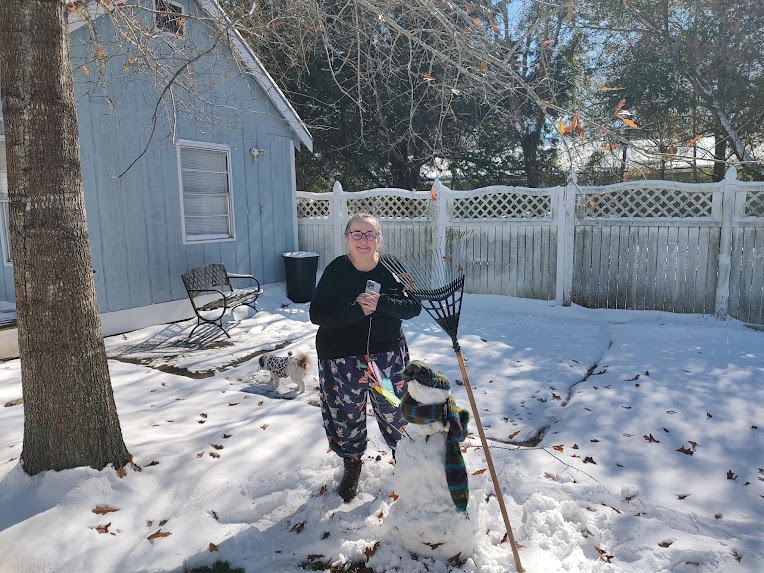

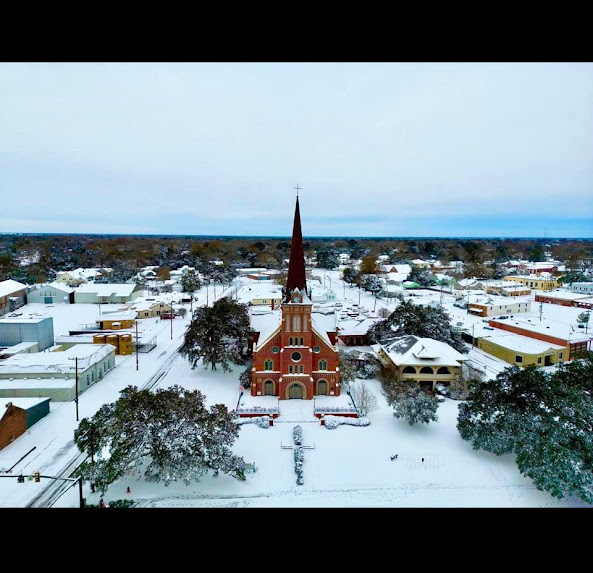
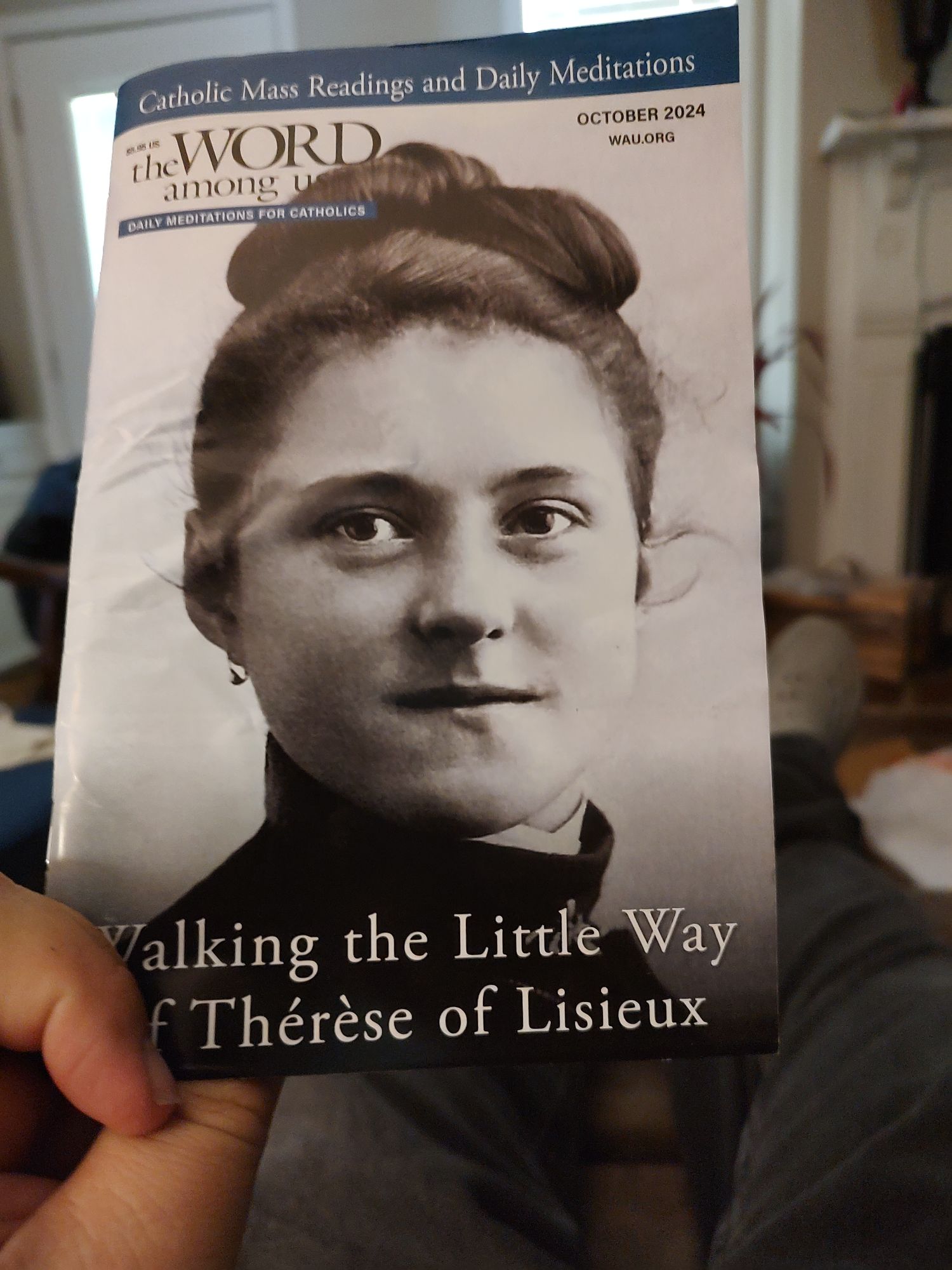

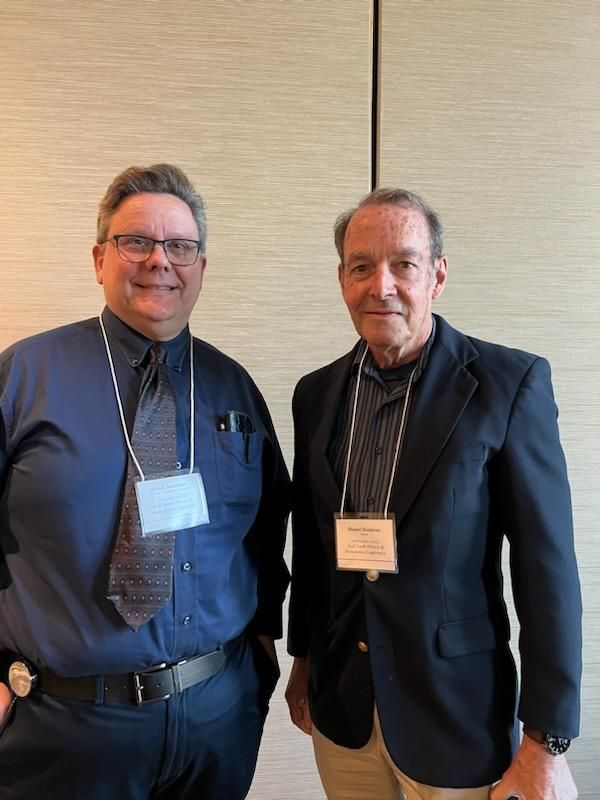



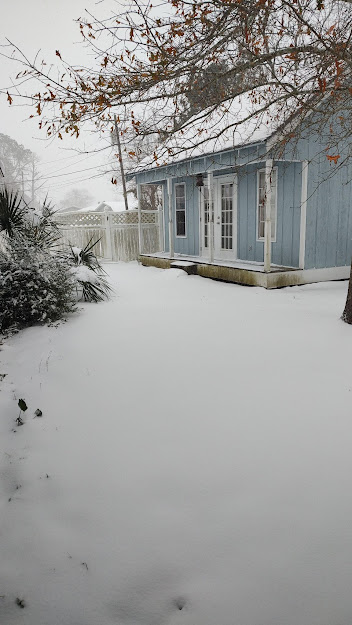



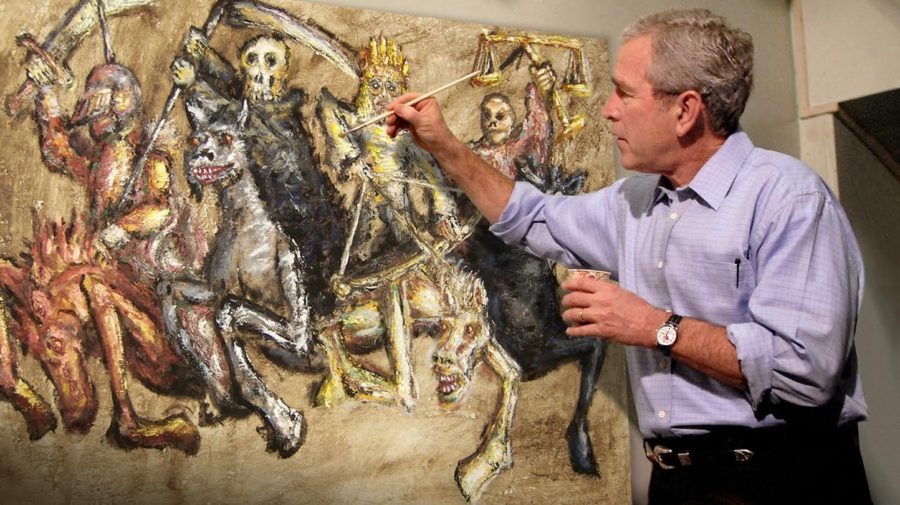






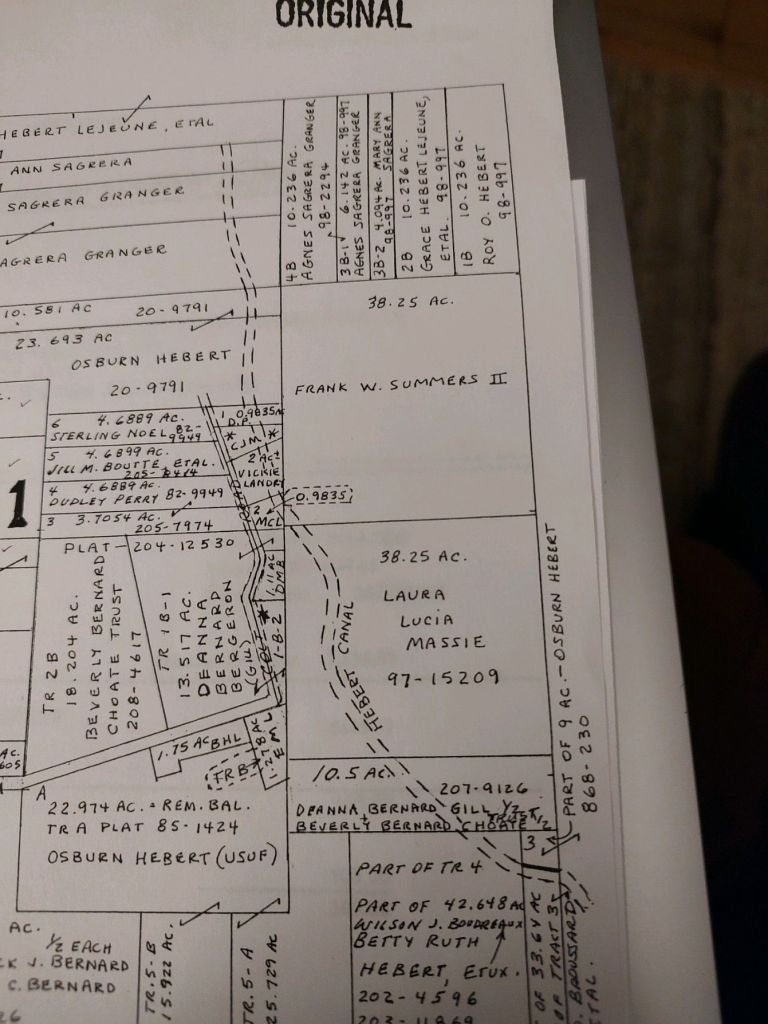







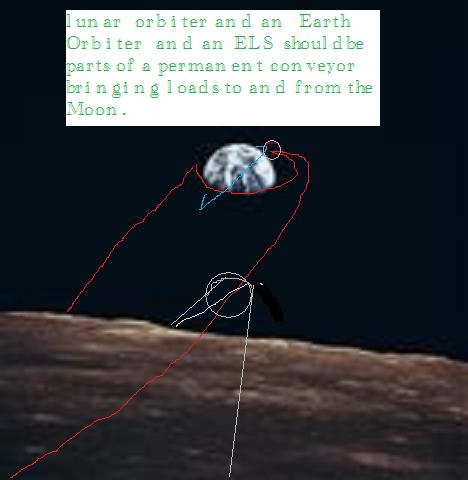



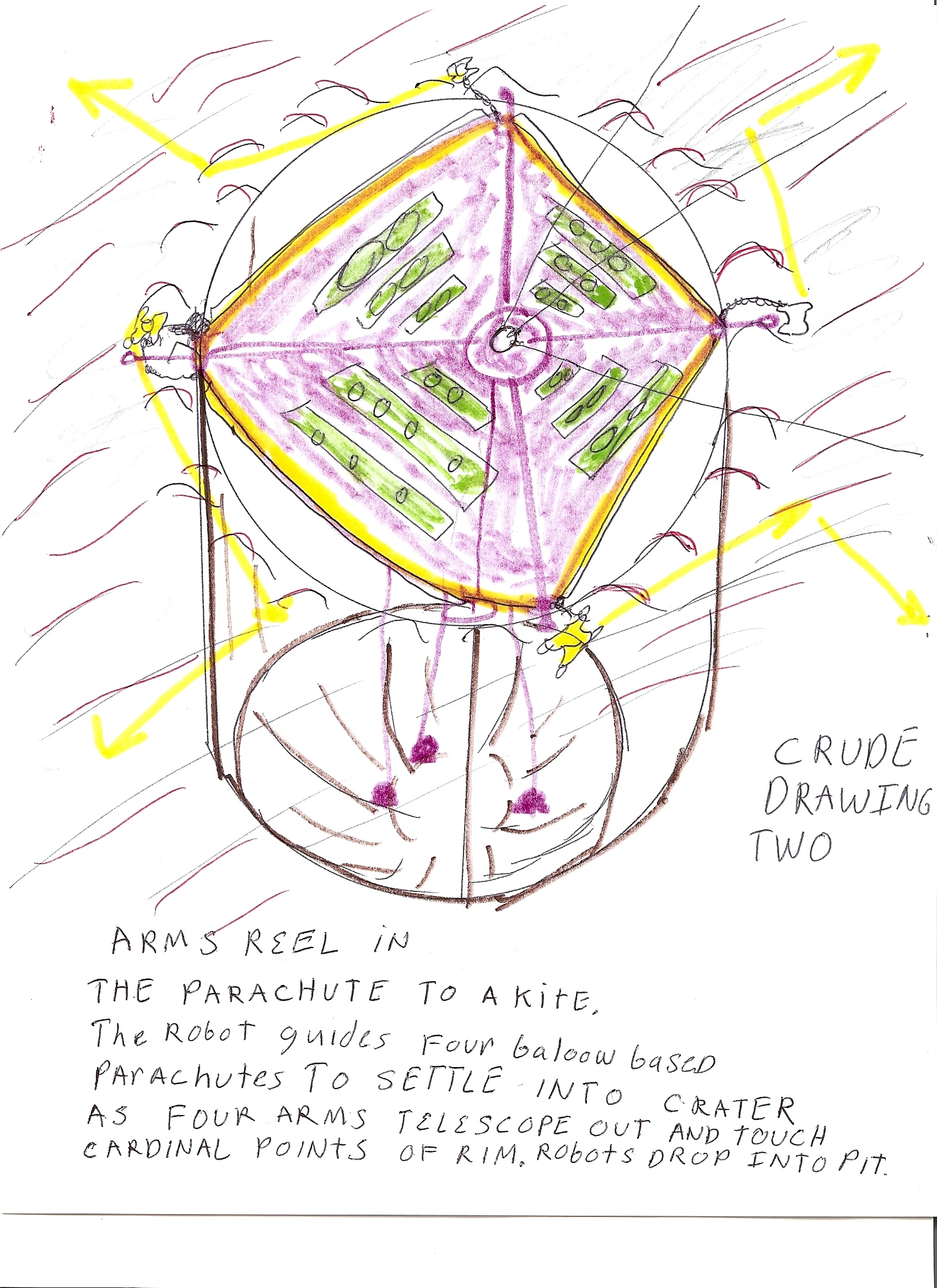
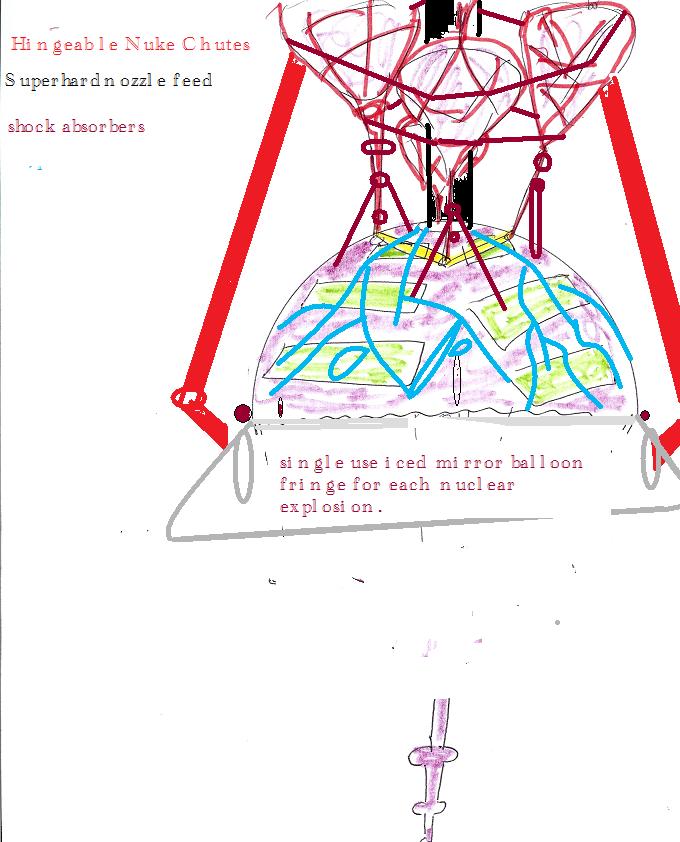


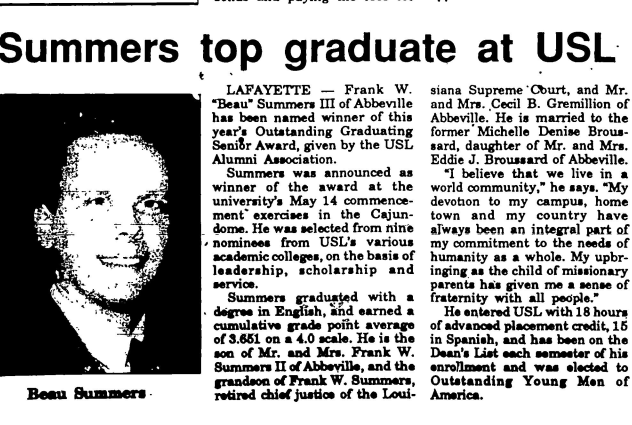


 Franksummers3ba's Blog